
Mature, well-kept trees generally raise property value in New Orleans, while neglected or failing ones pull the other way. Industry estimates put the lift from the low single digits to the mid-teens as a percentage, depending on the tree, its condition, and where it sits relative to the house. Species, health, and placement matter more than sheer count. A declining tree close to a structure can read as a liability to a buyer rather than an asset.
At TurnKey Tree Cutting, we get asked about resale value most often by owners who are about to list, and by then the options have narrowed. Tree value is built over years, not in the 2 weeks before a photographer arrives.
The research on this is consistent in direction even where the exact figures vary. Well-maintained trees add to what a property fetches, and trees in visible decline subtract from it.
What follows is what actually drives that number and how to protect it. Contact us today to have us assess the trees on your property and tell you which ones are carrying value.
How Much Value Do Trees Actually Add to a New Orleans Home?
The honest answer is that the number varies, and anyone quoting a precise figure for your specific lot is guessing. What the industry does agree on is the direction.
The Arbor Day Foundation puts the effect of large trees in yards and along streets at roughly 3 to 15 percent of a home’s value. The spread is that wide because a single specimen oak shading a front elevation is a different asset from a row of scrubby volunteers along a back fence.
For a New Orleans property, treat those figures as a direction rather than a promise. The practical takeaway is that trees are part of what a buyer prices, and their condition is visible from the curb before anyone opens a listing sheet.
What Makes One Tree Worth More Than Another?
Not every tree on a lot pulls the same weight. Four factors do most of the work in separating an asset from a liability.
Species and Local Fit
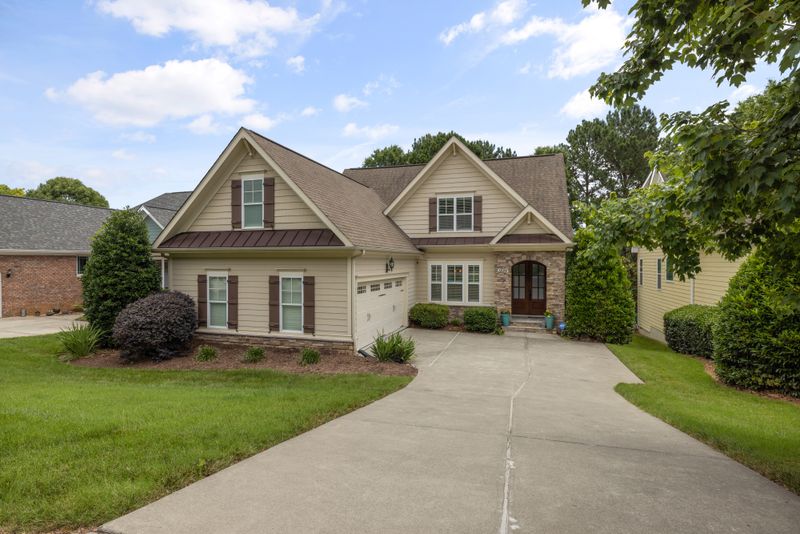
A tree suited to Gulf Coast conditions carries more value than one fighting the climate, because buyers and appraisers alike tend to respond to a tree that looks like it belongs. Live oaks and other established local species look permanent.
Poorly suited or short-lived species do less for a property and often cost more to maintain. Planting settles the species question, which is why it matters so much on an older lot.
Species also sets the maintenance burden a buyer inherits, since some trees drop heavy limbs or shed constantly while others stay tidy on a routine care schedule. A tree that reads as low-maintenance is generally easier for a buyer to picture living with.
Condition and Structure
A healthy tree with sound structure is an asset. A tree with major deadwood, a visible lean toward the house, or a cavity at the base reads as a pending expense to anyone walking the property.
This is the factor owners have the most control over. Consistent tree trimming keeps a tree in the condition that supports value rather than undermines it.
Condition is also among the easiest factors for a non-expert to judge from the driveway, which is part of why it shapes first impressions. A buyer who could not name a single structural defect can often still tell whether a tree has been cared for.
Placement Relative to the House
Where a tree stands changes what it does. A mature canopy shading the west face of a house is a comfort and energy benefit a buyer can feel on a July walkthrough.
The same tree planted too close to a foundation or hanging over a roofline flips the calculation. Placement is why 2 similar trees on the same street can affect value in opposite directions.
Placement also affects what the tree costs to maintain over time, because a canopy sitting above a roof or a driveway needs attention on a shorter cycle than one out in the open. Access matters alongside it, since a tree hemmed in by fences, sheds, and utility lines is harder to work on safely.
Size and Maturity
Size is the hardest quality to replace, because a mature canopy takes decades to grow and cannot be bought back. That scarcity is most of why established trees carry the value they do.
It also means a mature tree lost to neglect is a permanent reduction, not a temporary one. Replanting resets the clock rather than restoring the asset.
Why Does Tree Condition Matter So Much in New Orleans?
Local conditions raise the stakes on both sides of the ledger. Gulf Coast heat makes shade a tangible benefit rather than an abstract one, and a canopy over the right elevation is something a buyer notices immediately.
The storm exposure works the other way. A tree that already looks compromised raises a question in a buyer’s mind about the next hurricane season, and that question tends to show up as a price adjustment or a repair request.
Saturated soil after heavy rain compounds it, since root plates tend to lift more easily there than in drier inland ground. The result is that condition carries more weight in this market than it would in a place where trees are never really tested.
How Do You Protect the Value Your Trees Already Carry?
Protecting tree value is mostly unglamorous maintenance done on a schedule. Three habits do most of the work.
Keep Structure Sound Before Problems Compound
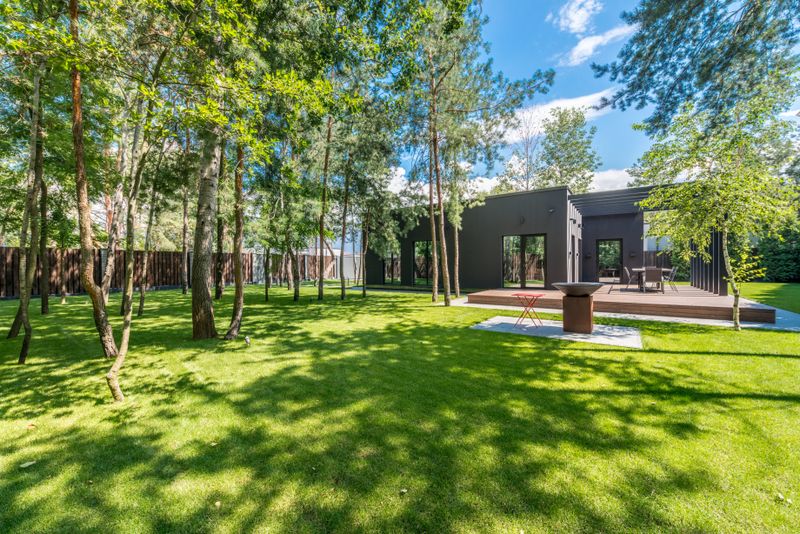
Removing deadwood and correcting structural issues early keeps a tree sound and its value intact. Problems left alone rarely stay the same size.
A tree that has been maintained consistently also costs less to keep that way, because nothing has been allowed to become a major intervention. The savings compound alongside the value.
Feed the Tree When the Soil Cannot
Urban and suburban soils frequently lack what a mature tree needs, particularly where turf and hardscape compete for the same ground. Nutrient shortfalls usually show up as thin canopy and poor color long before anything dramatic happens.
A soil-informed program is more useful than guessing at a bag of fertilizer. Our tree fertilization work starts from what the site actually needs rather than a default schedule.
Deal With Failing Trees on Your Schedule
Not every tree can be saved, and a genuinely failing one near a structure is subtracting value every month it stands. Handling it deliberately costs less than handling it after a storm.
It also removes the item a buyer’s inspector would otherwise flag. Clearing that question before listing is usually cheaper than negotiating it afterward.
Planned tree removal also lets you control the timing, the access route, and what happens to the stump, none of which stays in your hands once a limb comes down on its own. That control is much of what separates a planned removal from an emergency one in cost and disruption.
Where New Orleans Homeowners Should Start
Tree value is the rare part of a property that improves on its own if you protect it and declines quietly if you do not. The gap between those two outcomes is a maintenance schedule, not a large budget.
At TurnKey Tree Cutting, we assess what your trees are actually worth keeping, flag the ones working against you, and build a plan around both. Call us today to get an honest read on the trees on your property.