
Tree removal permit requirements on a New Orleans construction site depend on where each tree stands and how large it is. Trees inside the building footprint on private land often follow a different path than trees in the public right-of-way, which the city controls. Requirements change by site, so confirming with the city before demolition starts is the reliable way to avoid a stop-work surprise.
At TurnKey Tree Cutting, we work alongside builders and property owners who discover the tree question late, usually after the site plan is already stamped. Late tree discovery is one of the most common reasons a New Orleans build loses days it did not budget for.
A construction project is not the same as a homeowner clearing one backyard tree. You are dealing with a footprint, an access route for equipment, a staging area, and often several trees at once, each with its own status.
This article walks through how tree approvals fit into a construction timeline, what triggers review, and where projects usually go wrong. Contact us today to have us walk the lot and flag the trees that will need attention on your build.
What Tree Permitting Means on a New Orleans Construction Site
Tree permitting on a build is less a single form and more a sequence of checks that runs parallel to your other approvals. It starts with knowing exactly what is growing on and around the parcel.
New Orleans treats city-owned trees as public infrastructure, which shapes how it views any project proposing removals near the street.
For a builder, the practical effect is that tree work sits on the critical path rather than at the end of it. A tree you cannot legally remove in week 1 can hold up foundation work in week 3, so the survey belongs at the front of the schedule.
Common Reasons a New Construction Project Needs Tree Approval
Most tree approvals on a build trace back to one of a few situations. Knowing which one applies to your lot tells you how much lead time to plan for.
Trees Standing in the Building Footprint
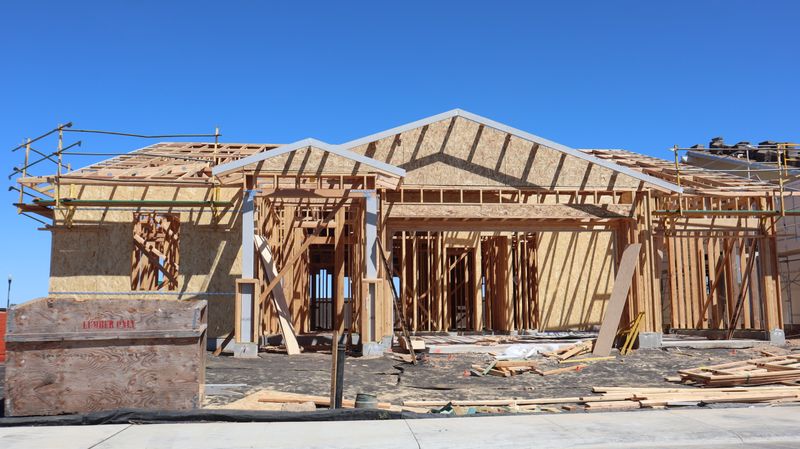
A tree sitting where the slab, driveway, or utility trench will go has to come out, and that removal is the one most owners anticipate. What they often miss is that anticipating it is not the same as clearing it.
Whether the removal needs city sign-off depends mostly on the tree’s size and its exact position relative to the property line. We identify both before anyone schedules a crew, because the answer changes the sequence of the whole job.
Trees on the Public Right-of-Way at the Street Edge
The right-of-way includes the strip between the sidewalk and the curb, plus other city-controlled ground near your frontage. Trees there belong to the city regardless of who owns the house behind them.
Construction routinely bumps into these trees, usually through driveway cuts, new utility taps, or equipment access. Removing or significantly cutting one almost always requires official approval first, and that approval is not a formality you can backfill.
Mature Trees Inside the Property Line
A mature tree well inside your property line is not automatically a free removal decision on a development site. Size carries weight in New Orleans, and a large, established tree can still surface during your project’s approvals.
Mature trees are where projects most often misjudge the timeline, so confirm how each one will be treated early. Our guide to tree removal permits in New Orleans covers how the same question works on a standard residential lot.
Land Clearing Across a Larger Parcel
Clearing an overgrown or wooded lot is a different animal from taking out 2 or 3 trees. The volume alone changes how the work is planned, staged, and hauled.
Larger clearing jobs also raise questions about which trees have to stay, whether any sit in the right-of-way, and how the remaining ones will be shielded during construction. Our tree removal crews handle those parcels as a coordinated sequence rather than tree by tree.
Warning Signs Your Build Is Heading for a Tree Delay
Tree problems on a construction site rarely appear without warning. These are the signals we see most often before a schedule slips.
No Tree Survey in the Site Plan
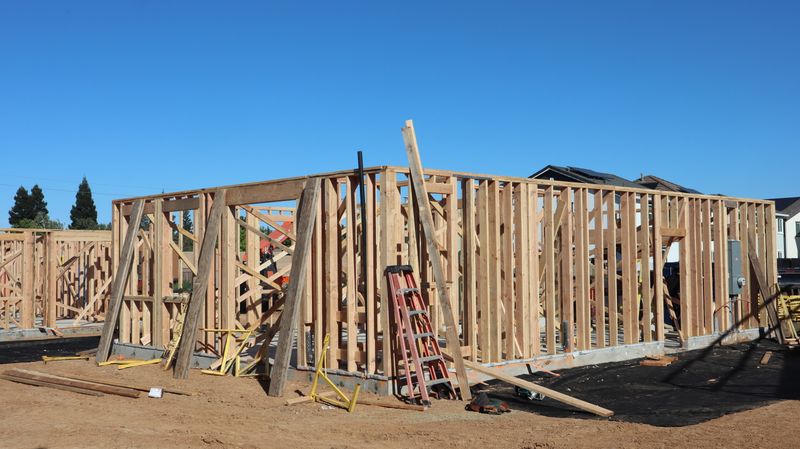
If the drawings show a footprint but no inventory of what is actually growing on the lot, the tree question has not been asked yet. That gap almost always surfaces later, at a worse moment.
A survey that records location, size, and species for every tree on and near the parcel is cheap insurance, and it gives you something concrete to bring to the city rather than a guess.
Heavy Equipment Routed Through the Root Zone
Damage does not require a saw. Excavators, dumpsters, and material stacks parked over a root zone compact the soil, which restricts root growth and can send a tree you intended to keep into decline.
Once a retained tree declines and has to come out mid-project, you are back in the approval process under time pressure. Planning the access route around protected root zones avoids that entirely.
A Removal Scheduled Before Approval Lands
The most expensive mistake on a New Orleans site is cutting first and confirming after. Removing a city-controlled tree without clearance can bring enforcement action, and a required replacement on top of any fine can push the total past the cost of the removal itself.
An unapproved removal can also complicate inspections and the eventual sale of the property. We confirm the status of every tree in question before a crew touches it.
When Construction Tree Removals Need a Permit and How Clearance Works
Whether a removal needs a permit, and how long that clearance takes, depends almost entirely on where the tree stands. The table below shows how the common situations tend to move.
| Where the Tree Stands | Typical Approval Path | What It Means for Your Schedule |
|---|---|---|
| Small tree, fully inside the private lot | Often proceeds without city sign-off, confirm first | Usually the shortest path, schedule with demolition |
| Mature tree on private land within the development | Usually handled through your project’s plan approvals | Build in lead time, start the question early |
| Tree in the public right-of-way | City approval required before any cutting | Treat as a hard gate ahead of driveway or utility work |
| Multiple trees across a parcel being cleared | Assessed together, trees that must stay identified first | Plan clearing as one staged phase, not piecemeal |
Because requirements shift by site and change over time, we confirm the current rules with the city for your specific parcel rather than working from the last job. That single step prevents most stop-work situations.
Our construction permitting work covers that coordination directly, from the initial tree inventory through scheduling the removals your build actually needs.
What This Means for Your New Orleans Build
Tree approvals are predictable when you start them early and expensive when you do not. The lots that stay on schedule are the ones where somebody inventoried the trees before the drawings were final.
At TurnKey Tree Cutting, we assess the parcel, identify which trees raise questions, and handle the removals your project needs once the path is clear. Call us today to get your site surveyed before your crew mobilizes.