Tree Removal Timing and Nesting Birds What New Orleans Property Owners Should Know
Tree removal during nesting season should wait when a nest is active, because the federal Migratory Bird Treaty Act protects native migratory birds along with their eggs and active nests. Nesting generally begins in spring and continues through the warmer months, with peaks that vary by species and location. Have a New Orleans tree checked for active nests before the removal is scheduled, not after a crew arrives. Work that cannot wait should be assessed case by case.
At TurnKey Tree Cutting, we see the nesting season question come up in the worst possible way, which is a crew arriving to find a nest 20 feet up in the tree they were sent to take down. At that point the job stops and the schedule moves.
You can avoid that entirely by asking the question a week earlier. Most nesting conflicts are discovered late simply because nobody thought to look.
This guide walks through why tree removal during nesting season needs planning, when to expect nesting activity around New Orleans, and how to check before work is booked. Contact us today to have your tree assessed before you lock in a removal date.
Why Does Nesting Season Affect When You Can Remove a Tree?
Nesting season affects tree removal because active nests carry federal legal protection. Under the Migratory Bird Treaty Act, native migratory birds along with their eggs and active nests are protected, and work that destroys an active nest can put a property owner and a crew in real difficulty.
That protection applies to the nest while it is in use, meaning eggs or dependent young are present. An old, empty nest from a previous season is a different situation from one with a bird sitting on it right now.
For you as a property owner, the effect is practical rather than theoretical. A tree that is cleared to come down in winter may need to wait once nesting is underway, so the calendar becomes part of the planning rather than an afterthought. Local permitting is a separate question from this federal protection, and our guide to tree removal permits in New Orleans covers that side.
When Is Nesting Season Around New Orleans?
Nesting generally begins in spring and continues through the warmer months, with the heaviest activity in spring and summer. Peak breeding months shift by species and by location, so there is no single date when the season opens and closes.
Federal guidance points to checking the peak breeding months for the species in your own area rather than relying on fixed calendar dates. Some species start earlier and some are still raising young later in the summer, which means a date on a calendar is a weaker guide than an actual look at the tree.
Treat spring and early summer as the period requiring the most care, and treat late fall and winter as the easier window for non-urgent removals. When you are unsure, checking the specific tree settles it faster than researching species timelines.
How Do You Check a Tree for Nests Before Work Starts?
A check takes minutes and happens from the ground with your own eyes. Look into the canopy, at branch junctions, and around any cavity in the trunk, then use what you see to decide the next step.
| What You Find |
What to Do |
| Birds repeatedly flying in and out of the same spot |
Treat it as an active nest and hold the work |
| A nest you can see, contents unknown |
Do not disturb it, have it assessed before scheduling |
| Chirping coming from inside the canopy or a cavity |
Assume young are present and postpone |
| An old, weathered, clearly abandoned nest |
Usually fine, confirm during the site assessment |
| Cavity or hollow you cannot see into |
Flag it, cavities hide nests that ground checks miss |
| Nothing visible, but it is peak spring |
Have the canopy checked properly before booking |
A ground check catches most situations but not all of them. Dense canopy and trunk cavities hide nests well, which is why the check is repeated by the crew before cutting starts.
What Should You Do If You Find an Active Nest?
Finding a nest changes the plan rather than ending it. Here is how the common situations tend to resolve.
Postpone Non-Urgent Work

If the tree is healthy and the removal is a preference rather than a necessity, waiting is the simplest answer. Nesting cycles for many common songbirds run a matter of weeks from eggs to fledged young.
Rescheduling costs you a season at most. It also avoids putting your property in the middle of a federal wildlife question that nobody wants.
Separate Urgent Work From Routine Work
A genuinely hazardous tree threatening a structure is a different case from a tree you want gone for appearance. Safety situations are assessed on their own terms and may involve contacting the appropriate wildlife authority for guidance.
Do not assume urgency exempts the work automatically. The right move is to have the situation evaluated rather than to decide unilaterally that the nest does not count.
Consider Partial Work Instead of Full Removal
Sometimes the goal can be met without touching the section holding the nest. Clearing limbs on the far side of a canopy, or handling only the portion over a driveway, buys time without disturbing anything.
Our tree trimming crews will scope a reduced job where the situation allows it. The full removal then happens once the nest is empty.
Never Move or Remove the Nest Yourself
Relocating a nest is not a workaround, and it rarely ends well for the birds. It also does not resolve the legal question, because the federal protection covers possessing and transporting a nest, not only destroying one in place.
Leave it in place and let the timing sort it out. If you are unsure what you are looking at, ask rather than guess.
How Do You Plan Tree Work Around Nesting Season?
Planning around nesting is mostly a matter of thinking a season ahead. Late fall and winter are the easiest window for removals that can be scheduled rather than reacted to.
Keep this short sequence in mind when you are booking:
- Ask early: raise the nesting question when you request the estimate, not on the work date
- Book the easy window: schedule non-urgent removals for the cooler months where you can
- Expect a second check: the crew looks again before cutting, and may still stop
- Keep hazard work separate: genuinely dangerous trees get assessed on their own timeline
Our tree removal scheduling accounts for this rather than treating it as a surprise. Building the question into the estimate is what keeps a job from stalling halfway through.
Schedule Your New Orleans Tree Work Around Nesting Season
The nesting question is easy when you ask it early and expensive when you discover it on the day of the job. A quick look at the tree before you book is usually the whole solution.
At TurnKey Tree Cutting, we check for nesting activity as part of assessing a removal and schedule the work so it does not run into a problem partway through. Call us today to have your tree looked at before you set a date.
Frequently Asked Questions
Is it illegal to cut down a tree with a bird nest in it?
Destroying an active nest containing eggs or dependent young can violate the federal Migratory Bird Treaty Act, which protects native migratory birds along with their eggs and active nests. An old, abandoned nest is treated differently. Because the situation depends on what is actually in the tree, have it assessed before any cutting.
When is bird nesting season in Louisiana?
Nesting generally begins in spring and continues through the warmer months, with the heaviest activity in spring and summer. The exact window varies by species and by location, so federal guidance points to checking peak breeding months locally rather than relying on fixed dates. Checking the specific tree is more reliable than working from calendar dates.
Can you remove a tree with an old empty bird nest?
Usually yes. The federal restriction on destroying a nest centers on nests in use with eggs or dependent young, so an old, weathered nest from a previous season is generally not an obstacle, though a removed nest should not be kept. Confirm it is genuinely abandoned during the site assessment rather than assuming from the ground.
What happens if a nest is found after tree work has started?
Work stops at that point and the situation is reassessed. A crew that discovers an active nest mid-job will not continue through it, which is why the check happens before scheduling. Expect the remainder of the work to be rescheduled once the nest is no longer in use.
How long do birds stay in a nest?
Many common backyard songbirds complete the cycle from eggs to fledged young in a matter of weeks rather than months. That means postponing non-urgent tree work often costs only a short delay. The exact duration varies by species, so a check closer to the date tells you where things stand.
Can you trim a tree during nesting season?
Trimming is often possible when the work avoids the section holding the nest, such as clearing limbs on the opposite side of the canopy. The assessment determines what can safely proceed. Full removals are the work most likely to need rescheduling.
Does the nesting rule apply to hazardous trees?
Yes, the protection still applies, and genuinely hazardous trees threatening a structure are assessed on their own terms, which may involve contacting the appropriate wildlife authority for guidance. Urgency does not automatically exempt the work, so the situation should be evaluated rather than decided on site. Have a crew assess the hazard and the nest together.
Should I move a bird nest before tree work?
No, relocating a nest rarely ends well for the birds, and it does not resolve the underlying protection, since federal law covers possessing and transporting a nest as well as destroying one in place. Leave it in place and adjust the schedule instead. If you are unsure what you are looking at, ask before touching anything.
Does Homeowners Insurance Cover Tree Removal in New Orleans
Homeowners insurance often covers tree removal in New Orleans when a covered event, such as wind or lightning, brings a tree down onto an insured structure. If the tree falls and hits nothing, or comes down because it was already dead and neglected, removal is commonly the owner’s expense. Policies also tend to cap debris removal at a modest amount. Coverage varies by policy, so confirming the terms with your own insurer is the reliable step.
At TurnKey Tree Cutting, the homeowners insurance question comes up in almost every storm call we take, usually while the homeowner is standing in the yard looking at a tree that is no longer vertical. It is a fair question, and the answer is more conditional than most people expect.
Coverage in New Orleans rarely turns on the tree itself. It turns on why the tree came down and what it landed on.
Those two facts do most of the work in deciding who pays. Contact us today to have us assess the tree and document the damage while the evidence is still on the ground.
What Does Homeowners Insurance Usually Cover After a Tree Falls?
Most standard policies approach a fallen tree through the lens of the damage it caused, not the tree as an object. That framing explains most of the outcomes homeowners find surprising.
The Cause of the Fall Matters First
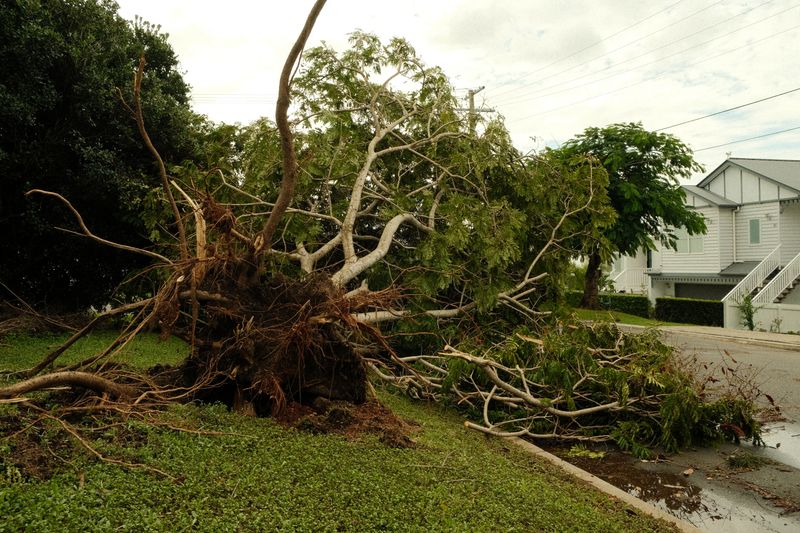
Policies respond to covered perils, and wind and lightning are commonly among them. A healthy tree brought down by a storm generally sits in different territory than one that simply gave out.
If the cause falls outside what the policy covers, the rest of the analysis usually stops there. This is the first question an adjuster works through.
What the Tree Landed On Matters Next
Damage to an insured structure is typically what opens the door to coverage for the cleanup. A tree across the roof, the garage, or a fence reads very differently from a tree lying flat in the yard.
The structure is typically the trigger. Without damage to something the policy insures, the removal often becomes an out-of-pocket expense.
Debris Removal Usually Carries Its Own Limit
Even when a claim is covered, the tree-hauling portion is frequently capped separately from the structural repair. Debris removal allowances on standard policies commonly fall somewhere in the range of roughly $500 to $1,000, and some policies set a per-tree figure beneath a higher per-loss cap.
Large hardwoods can exceed that allowance. Knowing the limit ahead of time helps you plan for the gap rather than discover it after the crane leaves.
Situations Where Tree Removal Coverage Commonly Applies
Certain scenarios come up repeatedly after storm season, and they tend to follow similar patterns.
A Storm Drops a Healthy Tree on Your House
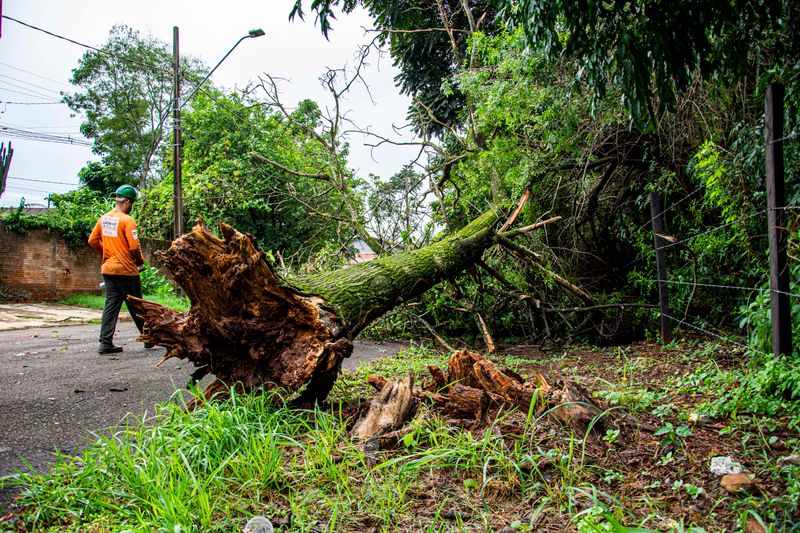
This is the clearest case. A sound tree brought down by high wind onto the roof or an attached structure is the situation policies were designed around.
Repair to the structure and removal of the tree from it usually move together in one claim. The debris cap typically still applies to the hauling portion.
A Tree Falls on a Detached Garage, Fence, or Shed
Detached structures are commonly insured, though often under a separate portion of the policy with its own limit. A tree across a fence or a backyard shed frequently qualifies.
The limit for these structures is typically smaller than the one covering the house. Reviewing that figure before storm season is worth the few minutes it takes.
A Neighbor’s Tree Lands on Your Property
When a neighbor’s tree comes down on your side, your own policy is usually the first place the claim goes. Insurers may sort out responsibility between themselves afterward if negligence is involved.
That surprises people, but it is the normal sequence. Your debris cap and structure limits generally apply the same way they would for a tree of your own.
Situations Where Homeowners Usually Pay Out of Pocket
Just as predictable are the situations where the cost lands on the property owner. These are the calls where expectations and outcomes most often diverge.
The Tree Falls and Hits Nothing
A tree lying across the lawn is inconvenient, but it has not damaged an insured structure. In most standard policies, that means removal is the owner’s expense.
Homeowners are frequently caught off guard by this one. The size of the tree does not change the answer.
The Tree Was Already Dead or Declining
Insurers distinguish between sudden damage and gradual deterioration. A tree that has been visibly dead or rotting for a long stretch can be treated as a maintenance issue rather than a covered loss.
That is one of the stronger arguments for handling a failing tree before a storm does it for you. Our tree removal crews take down declining trees on schedule instead of on the worst night of the year.
You Want a Healthy Tree Removed
Preventive removal of a sound tree, even one leaning uncomfortably close to the house, is generally not a covered expense. Policies generally respond to damage that has occurred, not to risk a homeowner wants to eliminate.
Stump work usually falls in the same category. Stump grinding after a removal is typically handled as its own job rather than as part of a claim.
Why New Orleans Storms Complicate Tree Claims
Local conditions shape how these claims play out here more than they would inland. The factors below come up repeatedly on Gulf Coast properties.
| Factor |
Effect on a Tree Claim |
What Helps |
| Hurricane and high-wind season |
Many claims filed at once, slower adjuster response |
Photograph everything before cleanup begins |
| Saturated ground after heavy rain |
Root plates lift, healthy trees fall without warning |
Note the weather conditions on the date of the loss |
| A tree that was already declining |
Insurer may treat the loss as deferred maintenance |
Address failing trees before storm season arrives |
| Large mature hardwoods near the house |
Removal cost can exceed the debris allowance |
Confirm your debris limit before you need it |
The single most useful habit is documentation. Photos of the tree, the damage, and the surrounding conditions taken before anything moves give an adjuster something concrete to work from. Our guide to storm damage and emergency tree removal covers what to do in the hours right after a tree comes down.
Protect Your New Orleans Property Before the Next Storm
The trees most likely to become an uncovered expense are the ones already showing they are in trouble. Dealing with them on your schedule is almost always cheaper than dealing with them on the storm’s schedule.
At TurnKey Tree Cutting, we assess the trees on your property, tell you honestly which ones are a genuine risk, and document what we find. Call us today to have your trees inspected before the next system moves through.
Frequently Asked Questions
Does homeowners insurance cover tree removal after a storm?
Homeowners insurance commonly covers tree removal after a storm when a covered peril such as wind or lightning brings the tree down onto an insured structure. If the tree falls without hitting anything the policy insures, removal is usually the owner’s expense. Terms differ between policies, so confirming your specific coverage with your insurer is the reliable step.
Does my insurance cover a neighbor’s tree falling on my house?
Coverage generally runs through your own homeowners policy rather than the neighbor’s. The same factors apply as with any fallen tree: what caused the fall, what the tree landed on, and the separate debris removal cap. Who is ultimately responsible is a different question from what your policy pays, so confirm your own coverage with your insurer.
Is there a limit on tree removal coverage?
Usually, yes, tree debris removal is typically capped separately from structural repair on a homeowners policy. Standard policies commonly limit it to roughly $500 to $1,000, with some setting a per-tree figure beneath a higher per-loss cap. Removing a large mature hardwood can exceed that allowance, so confirm your own limit with your insurer before storm season.
Will insurance cover removing a dead tree before it falls?
Preventive removal of a tree that has not yet caused damage is generally not covered, even when the tree is clearly failing. Policies generally respond to losses that have occurred rather than to risk a homeowner wants to eliminate. Taking down a declining tree is usually an out-of-pocket maintenance expense.
What if the tree fell but did not damage anything?
A tree lying across the yard without touching an insured structure typically falls outside coverage, and the cleanup becomes the owner’s cost. The size of the tree does not change that outcome. This is one of the most common gaps between what homeowners expect and how standard policies actually respond.
Does it matter if the tree was already dead?
Whether the tree was already dead often matters. Insurers distinguish sudden accidental damage from gradual deterioration, and a tree that was visibly dead or rotting for a long period may be treated as a maintenance issue rather than a covered loss. Addressing declining trees early helps avoid that argument entirely.
What should I do immediately after a tree falls on my property?
Stay clear of the tree and any downed lines, then photograph the scene thoroughly before anything is moved. Contact your insurer to report the loss and ask what documentation they need. Having a crew assess the tree and record its condition supports the claim without disturbing the evidence.
Does insurance pay for stump grinding after a covered tree removal?
Stump work is frequently treated as a separate expense rather than part of the covered removal, though this varies between policies. Because the stump is not itself damaging an insured structure, many carriers exclude it. Confirming with your adjuster before scheduling the work avoids an unexpected bill.
How Tree Removal Permits Work for New Construction Projects in New Orleans
Tree removal permit requirements on a New Orleans construction site depend on where each tree stands and how large it is. Trees inside the building footprint on private land often follow a different path than trees in the public right-of-way, which the city controls. Requirements change by site, so confirming with the city before demolition starts is the reliable way to avoid a stop-work surprise.
At TurnKey Tree Cutting, we work alongside builders and property owners who discover the tree question late, usually after the site plan is already stamped. Late tree discovery is one of the most common reasons a New Orleans build loses days it did not budget for.
A construction project is not the same as a homeowner clearing one backyard tree. You are dealing with a footprint, an access route for equipment, a staging area, and often several trees at once, each with its own status.
This article walks through how tree approvals fit into a construction timeline, what triggers review, and where projects usually go wrong. Contact us today to have us walk the lot and flag the trees that will need attention on your build.
What Tree Permitting Means on a New Orleans Construction Site
Tree permitting on a build is less a single form and more a sequence of checks that runs parallel to your other approvals. It starts with knowing exactly what is growing on and around the parcel.
New Orleans treats city-owned trees as public infrastructure, which shapes how it views any project proposing removals near the street.
For a builder, the practical effect is that tree work sits on the critical path rather than at the end of it. A tree you cannot legally remove in week 1 can hold up foundation work in week 3, so the survey belongs at the front of the schedule.
Common Reasons a New Construction Project Needs Tree Approval
Most tree approvals on a build trace back to one of a few situations. Knowing which one applies to your lot tells you how much lead time to plan for.
Trees Standing in the Building Footprint
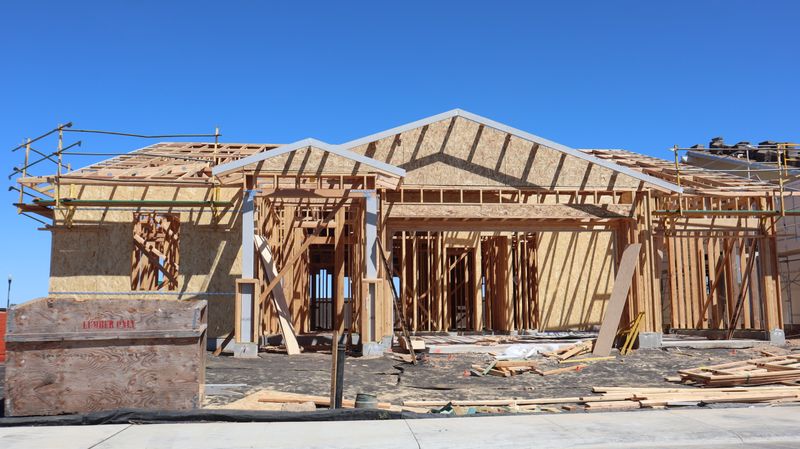
A tree sitting where the slab, driveway, or utility trench will go has to come out, and that removal is the one most owners anticipate. What they often miss is that anticipating it is not the same as clearing it.
Whether the removal needs city sign-off depends mostly on the tree’s size and its exact position relative to the property line. We identify both before anyone schedules a crew, because the answer changes the sequence of the whole job.
Trees on the Public Right-of-Way at the Street Edge
The right-of-way includes the strip between the sidewalk and the curb, plus other city-controlled ground near your frontage. Trees there belong to the city regardless of who owns the house behind them.
Construction routinely bumps into these trees, usually through driveway cuts, new utility taps, or equipment access. Removing or significantly cutting one almost always requires official approval first, and that approval is not a formality you can backfill.
Mature Trees Inside the Property Line
A mature tree well inside your property line is not automatically a free removal decision on a development site. Size carries weight in New Orleans, and a large, established tree can still surface during your project’s approvals.
Mature trees are where projects most often misjudge the timeline, so confirm how each one will be treated early. Our guide to tree removal permits in New Orleans covers how the same question works on a standard residential lot.
Land Clearing Across a Larger Parcel
Clearing an overgrown or wooded lot is a different animal from taking out 2 or 3 trees. The volume alone changes how the work is planned, staged, and hauled.
Larger clearing jobs also raise questions about which trees have to stay, whether any sit in the right-of-way, and how the remaining ones will be shielded during construction. Our tree removal crews handle those parcels as a coordinated sequence rather than tree by tree.
Warning Signs Your Build Is Heading for a Tree Delay
Tree problems on a construction site rarely appear without warning. These are the signals we see most often before a schedule slips.
No Tree Survey in the Site Plan
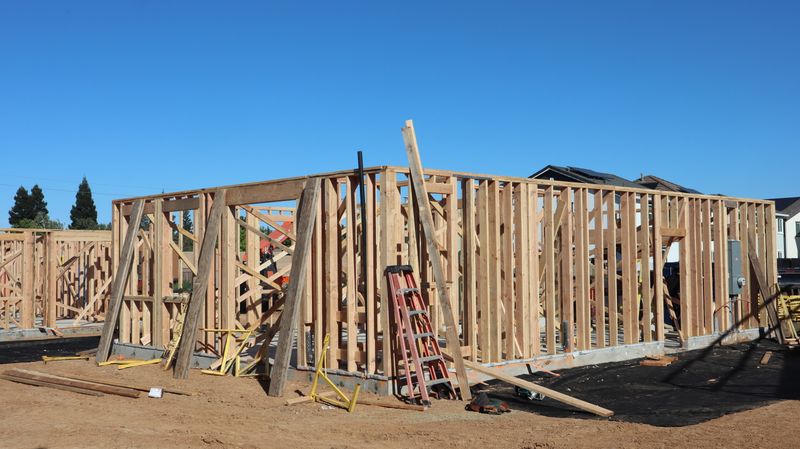
If the drawings show a footprint but no inventory of what is actually growing on the lot, the tree question has not been asked yet. That gap almost always surfaces later, at a worse moment.
A survey that records location, size, and species for every tree on and near the parcel is cheap insurance, and it gives you something concrete to bring to the city rather than a guess.
Heavy Equipment Routed Through the Root Zone
Damage does not require a saw. Excavators, dumpsters, and material stacks parked over a root zone compact the soil, which restricts root growth and can send a tree you intended to keep into decline.
Once a retained tree declines and has to come out mid-project, you are back in the approval process under time pressure. Planning the access route around protected root zones avoids that entirely.
A Removal Scheduled Before Approval Lands
The most expensive mistake on a New Orleans site is cutting first and confirming after. Removing a city-controlled tree without clearance can bring enforcement action, and a required replacement on top of any fine can push the total past the cost of the removal itself.
An unapproved removal can also complicate inspections and the eventual sale of the property. We confirm the status of every tree in question before a crew touches it.
When Construction Tree Removals Need a Permit and How Clearance Works
Whether a removal needs a permit, and how long that clearance takes, depends almost entirely on where the tree stands. The table below shows how the common situations tend to move.
| Where the Tree Stands |
Typical Approval Path |
What It Means for Your Schedule |
| Small tree, fully inside the private lot |
Often proceeds without city sign-off, confirm first |
Usually the shortest path, schedule with demolition |
| Mature tree on private land within the development |
Usually handled through your project’s plan approvals |
Build in lead time, start the question early |
| Tree in the public right-of-way |
City approval required before any cutting |
Treat as a hard gate ahead of driveway or utility work |
| Multiple trees across a parcel being cleared |
Assessed together, trees that must stay identified first |
Plan clearing as one staged phase, not piecemeal |
Because requirements shift by site and change over time, we confirm the current rules with the city for your specific parcel rather than working from the last job. That single step prevents most stop-work situations.
Our construction permitting work covers that coordination directly, from the initial tree inventory through scheduling the removals your build actually needs.
What This Means for Your New Orleans Build
Tree approvals are predictable when you start them early and expensive when you do not. The lots that stay on schedule are the ones where somebody inventoried the trees before the drawings were final.
At TurnKey Tree Cutting, we assess the parcel, identify which trees raise questions, and handle the removals your project needs once the path is clear. Call us today to get your site surveyed before your crew mobilizes.
Frequently Asked Questions
Do you need a permit to remove trees for new construction in New Orleans?
Sometimes, and it depends on each tree. Trees in the public right-of-way almost always require city approval before removal, while many small trees fully inside a private lot do not. Larger trees on a development parcel can still come up during your project’s plan approvals, so confirming the status of each tree before demolition is the reliable approach.
When should tree permitting start on a construction project?
Start it before the site plan is finalized, not after. A tree inventory done early tells you which removals are straightforward and which need review, so the approvals run alongside your other permits instead of holding up foundation work. Late discovery is the single most common cause of tree-related construction delays.
Who is responsible for tree permits, the owner or the contractor?
Responsibility depends on how the contract is written, and it should be assigned explicitly rather than assumed. Owners, general contractors, and tree services all commonly play a part, with the tree service usually identifying what each tree requires. Settling this in writing early prevents the gap where everyone assumes someone else handled it.
Can heavy equipment damage trees you plan to keep?
Yes, and it happens often. Excavators, dumpsters, and material stacks compact the soil over a root zone badly enough that a retained tree declines months later. Routing equipment access away from the root zones of trees you intend to keep is far cheaper than removing a dying tree mid-project.
What happens if a build removes a tree without the required approval?
Removing a city-controlled tree without clearance can bring fines and enforcement action, and because a replacement can be required on top of the fine, the total can exceed the cost of the removal itself. On an active site it can also stall inspections and the project schedule. Verifying the requirement before any cutting begins is cheaper than resolving it afterward.
Can a driveway cut or utility tap affect a street tree?
Often, because the strip between the sidewalk and the curb is public right-of-way controlled by the city rather than the adjacent owner. New driveway aprons, service connections, and equipment access routes are the three site activities that most commonly reach these trees. Removing or significantly cutting one generally requires official approval first.
Does land clearing follow the same rules as removing one tree?
Largely yes, and the underlying questions are the same, though the scale changes how the work is planned. Clearing a parcel means identifying which trees the city controls, which must stay, and how the remaining trees will be shielded during construction. That assessment happens across the whole lot before any equipment arrives.
Can a tree service handle the permit coordination for a builder?
Yes, an experienced local crew deals with these questions constantly and can identify what each tree on a site requires. As part of assessing a parcel, we inventory the trees, flag the ones likely to need review, and coordinate the removals once the path is clear. That keeps the tree question off your build’s critical path.
Tree Removal Safety: Why Not DIY
Quick Answer: Tree removal in New Orleans is not a safe do-it-yourself project because it combines heavy falling weight, unpredictable lean, nearby power lines, and soft, saturated soil that can shift a tree mid-cut. Homeowners rarely have the rigging, training, or insurance to control a falling tree, so a single miscalculation can cause serious injury, property damage, and personal liability. A licensed, insured professional crew is the safer choice every time.
At TurnKey Tree Cutting, we understand the temptation to save money by taking a tree down yourself, especially after a storm leaves a mess in your yard. We also see the results when a do-it-yourself removal goes wrong, and those results are almost always more expensive than hiring a crew in the first place.
Tree removal looks straightforward from the ground, but the physics of a falling tree are far less forgiving than most homeowners expect. A trunk that weighs thousands of pounds does not always fall where you aim it, and the margin for error shrinks fast on the tight lots common across New Orleans.
This article explains exactly why tree removal is a job for trained professionals, from the falling hazards and power-line risks to the injury statistics and liability questions most people never consider. Contact us today to have a licensed crew evaluate your tree and give you a free, no-pressure estimate.
The Myth That Tree Removal Is a Simple DIY Takedown
The most dangerous idea in tree work is that cutting a tree down is just cutting until it falls. In reality, a professional plans the fall before the saw ever touches bark, accounting for weight distribution, lean, wind, and what sits below.
A tree is not a straight, balanced pole. Limbs on one side, internal rot, and a natural lean all shift the center of gravity, so the trunk wants to fall in a direction you may not have chosen. Reading that pull correctly is a learned skill, not common sense.
Once a cut passes the point of no return, there is no undo. That is why understanding the real tree removal process, from assessment to cleanup, matters so much before anyone picks up a chainsaw.
Why Falling Direction Is So Hard to Control
Controlling where a tree lands is the single hardest part of removal, and it is where most do-it-yourself attempts fail. Professionals use specific cuts and rigging to steer the fall, while a homeowner with one chainsaw is mostly hoping.
The Hinge Is Easy to Get Wrong
A proper felling cut leaves a “hinge” of uncut wood that guides the tree as it falls. Cut it too thin, too thick, or unevenly, and the hinge fails, letting the trunk twist or drop in an unplanned direction.
Lean and Weight Fight Your Plan
A tree that leans toward your house will resist falling away from it, no matter where you cut. Overcoming that pull safely takes wedges, ropes, or a pull line rigged correctly, and often a second set of trained hands.
New Orleans Soil Changes the Math
Our soft, saturated, clay-heavy ground loosens root systems faster than firmer inland soil. A tree that looks stable can shift or uproot mid-cut once the roots lose their grip, sending the fall off course without warning.
Confined Lots Leave No Safety Margin
On tight city lots, the safe fall zone is often smaller than the tree is tall. When there is nowhere to lay a trunk down cleanly, professionals dismantle it in pieces, a technique that requires rigging most homeowners do not own.
The Power Line Danger Most People Underestimate
Overhead and service lines turn an ordinary removal into a life-threatening one. Electricity does not need direct contact to be deadly, and a limb, a ladder, or even a wet rope can complete a circuit.
Trees near power lines are never a do-it-yourself job under any circumstance. Utility voltage can arc across a gap, and a branch that brushes a line can energize the whole tree while you are touching it. Professional crews are trained to keep a safe working distance and, when a line is truly involved, to coordinate with the utility company rather than work around it.
There is also no reliable way to tell a de-energized line from a live one by looking at it, and downed lines can stay charged even after a storm knocks out power to a home. Backfeed from a neighbor’s generator can re-energize a line a homeowner assumed was dead, which is exactly the kind of hidden hazard a trained crew is taught to plan around before any cutting begins.
If a tree on your property is already touching or leaning into lines, treat it as an emergency and call for help. Our guidance on storm-damaged and emergency tree removal explains what to do while you wait for a crew.
Injuries Happen Fast and Cost More Than the Job
Chainsaw work near falling wood is one of the more hazardous tasks a homeowner can attempt. The tools, the heights, and the weight combine in ways that turn small mistakes into serious harm.
Chainsaw Kickback and Fatigue
A chainsaw can kick back toward the operator in a fraction of a second, and fatigue makes it more likely. Without cut-resistant gear and training, a slip near a spinning chain leads directly to a deep injury.
Ladders, Heights, and Falls
Cutting from a ladder or a limb puts you off balance while operating a running saw. When a branch swings back or the ladder shifts, there is no safe way to recover, and falls from height are a leading cause of tree-work injuries.
Falling and Springing Limbs
Cut limbs do not always drop straight down. A branch under tension can spring back violently, and a heavy limb can bounce or roll in an unexpected direction once it hits the ground.
The Real Cost Comparison
A professional removal has a clear price, while an emergency room visit, a damaged roof, or a totaled fence does not. When you weigh the numbers honestly, the do-it-yourself route rarely saves money.
| Hazard |
What Goes Wrong for a Homeowner |
How a Professional Crew Handles It |
| Falling direction |
Trunk drops toward the house or fence |
Hinge cuts, wedges, and pull lines steer the fall |
| Power lines |
Limb or rope contacts a live line |
Trained clearances and utility coordination |
| Chainsaw use |
Kickback or fatigue causes a cut |
Cut-resistant gear and controlled technique |
| Working at height |
Falls from ladders or limbs |
Rigging, ropes, and proper fall protection |
Liability: What Happens When It Goes Wrong
The part of do-it-yourself removal that surprises people most is who pays when something breaks. Without a licensed, insured crew, that answer is usually you.
If a falling tree hits your neighbor’s roof, car, or fence, you can be held responsible for the damage. A licensed and insured company carries coverage that protects both you and your neighbors, so a bad outcome does not become a bill or a lawsuit landing on your household. That protection alone is a core reason to hire professionals.
Liability can also extend to anyone you ask for help. A friend or family member injured while assisting an uninsured removal has no workers’ compensation to fall back on, and the resulting medical bills can land squarely on the homeowner who organized the job. Hiring a crew that carries both liability and workers’ compensation coverage keeps that exposure off your household entirely.
Insurance questions also reach your own policy, because some carriers limit or deny claims tied to a do-it-yourself removal gone wrong. When you compare the risks against the cost of professional tree removal, the safer path is also the smarter financial one.
When a Tree Absolutely Requires a Professional
Some situations remove any doubt. If your tree shows these conditions, do not attempt it yourself, and call a crew that removes trees like this every day.
Large Oaks and Pines
Mature trees carry enormous weight high off the ground, and their size multiplies every risk. Taking down big trees safely is specialized work, which is why we cover removing large oak and pine trees as its own topic.
Dead, Rotted, or Storm-Damaged Trees
A compromised tree is unpredictable because its internal structure is already failing. Dead wood can shatter mid-cut, and our guide on why you should not wait on dead tree removal explains how quickly these trees become hazards.
Trees Near Homes or Lines
Any tree close to a structure, a driveway, or a utility line has no safe fall zone for an untrained cutter. These jobs demand piece-by-piece dismantling and rigging that only a professional crew can perform.
Warning Signs You Should Not Ignore
Leaning trunks, cracked soil, and hanging limbs signal a tree that could fail at any moment. If you notice the warning signs a tree is dangerous, keep your distance and get a professional assessment.
The Right Way to Get a Tree Down Safely
The decision comes down to weighing a real, fixed cost against a serious, unpredictable risk, and for tree removal that math strongly favors a trained crew. At TurnKey Tree Cutting, we bring the certified arborists, rigging, and insurance that keep your family, your property, and your neighbors protected from start to finish.
You do not have to guess whether your tree is safe to take down or handle a dangerous job alone. Call us today for a free on-site estimate, and let our licensed, insured team handle the removal the safe way while you stay well clear of the fall zone.
Frequently Asked Questions
Is it safe to remove a tree yourself?
For anything larger than a small sapling, no. Tree removal involves heavy falling weight, unpredictable lean, chainsaw hazards, and often nearby structures or power lines. Most homeowners lack the rigging, training, and insurance to control the fall, so the safer choice is a licensed, insured professional crew.
Why is professional tree removal so much safer than DIY?
Professionals plan the fall before cutting, using hinge cuts, wedges, ropes, and pull lines to steer a tree away from your home. They also carry insurance, cut-resistant gear, and the experience to read lean and weight. That combination controls risks a homeowner with a single chainsaw simply cannot manage.
What happens if a tree falls on my neighbor’s property?
You can be held financially responsible for the damage if you took the tree down yourself. A licensed and insured tree company carries coverage that protects you and your neighbors, so an accident does not turn into a repair bill or a lawsuit against your household.
Can I cut a tree near power lines myself?
No, this is never a do-it-yourself job. Electricity can arc across a gap, and a limb, ladder, or wet rope touching a line can energize the entire tree. Always call a professional crew, and treat any tree already touching a line as an emergency.
How dangerous are chainsaws for tree removal?
Chainsaws are among the more hazardous tools a homeowner can use, especially near falling wood and at height. Kickback happens in a fraction of a second, and fatigue raises the risk. Without training and cut-resistant gear, a small slip near a spinning chain can cause a deep, serious injury.
Does homeowners insurance cover DIY tree removal accidents?
It varies by policy, and some carriers limit or deny claims tied to a do-it-yourself removal that goes wrong. Damage you cause yourself may not be covered the way professional work is. Hiring a licensed, insured company shifts that risk off your household and onto their coverage.
Why is tree removal harder in New Orleans specifically?
Our soft, saturated, clay-heavy soil loosens root systems faster than firmer inland ground, so a tree can shift or uproot mid-cut. Tight city lots also shrink the safe fall zone, often to less than the tree’s height, which forces professional crews to dismantle trees in pieces.
How do I know if my tree needs professional removal?
Large oaks and pines, dead or storm-damaged trees, and any tree near a home or power line all require a professional. Warning signs like a sudden lean, cracked soil, hanging limbs, or fungus at the base mean you should keep your distance and schedule a professional assessment right away.
Prepare Your Trees Before Hurricane Season
Quick Answer: Preparing your trees before hurricane season in New Orleans starts with a professional inspection, targeted trimming, and removal of weak or dead limbs well ahead of the first named storm. Thinning dense canopies lets wind pass through, deep roots stay anchored, and hazardous branches come down on your schedule instead of during a storm. Early action protects your home, your family, and your property when the wind arrives.
At TurnKey Tree Cutting, we have watched too many homeowners scramble in the final hours before a storm makes landfall. Hurricane season along the Gulf Coast rewards the people who plan in the spring, not the ones who panic in August.
Trees are one of the biggest storm risks on any New Orleans property, yet they are also one of the most manageable. A little structured preparation now can be the difference between a canopy that flexes with the wind and a limb through your roof.
This guide walks through a clear, season-ready checklist: inspection, trimming, weak-limb removal, and knowing when a tree should come down entirely. Contact us today to schedule a free on-site assessment before the season peaks and the calendar fills up.
Why New Orleans Trees Need Storm Prep
Our region sits in one of the most active hurricane corridors in the country, and the trees here take the brunt of it. High winds, saturated soil, and older growth combine to make even healthy trees vulnerable during a major system.
New Orleans soil is soft and holds water, which loosens root anchorage when the ground is fully saturated. A tree that stands firm in dry weather can lean or topple once heavy rain and wind arrive together.
Preparation reduces that risk by lightening the load the wind can catch and by removing the parts of a tree most likely to fail. The work is straightforward, but it takes time, so starting early in the season matters more than any single technique.
Older neighborhoods across the city are full of mature oaks and pines whose size is exactly what makes them both beautiful and risky. A tree that was healthy last year can develop new stress after a wet winter, which is why prep is an annual habit rather than a one-time fix.
Preparation is also about protecting far more than the tree itself. A large limb that fails in a storm can take out a roof, a fence, a vehicle, or a power line, turning a preventable problem into an insurance claim and a dangerous cleanup. Spending a little time before the season is almost always safer and cheaper than dealing with the damage afterward, when crews across the region are stretched thin and everyone needs help at once.
Start With a Professional Tree Inspection
Every good storm-prep plan begins with an honest look at each tree. An inspection tells you what is healthy, what is stressed, and what needs to come down before a storm makes the decision for you.
We check the trunk, canopy, and root zone for the specific failure points that turn dangerous in high wind. If you want to walk your own property first, our guide to the warning signs a tree on your property is dangerous covers what to look for between visits.
Look for Structural Weakness
Cracks in the trunk, cavities, and V-shaped branch unions are classic weak points. These flaws concentrate stress and often fail first when the wind loads a tree.
Check the Canopy Balance
A lopsided or top-heavy canopy catches wind unevenly and pulls against the roots. Balanced, thinned crowns move with the wind instead of fighting it.
Assess Root and Soil Condition
Heaving soil, exposed roots, or a new lean all point to compromised anchorage. In our wet ground, root issues are one of the leading causes of full tree failure during a storm.
Time Your Trimming Before the Season
Trimming is the single most effective step you can take, and timing is everything. The goal is to finish major cuts well before the first named storm, giving the tree time to seal wounds and stabilize.
Proper trimming thins the canopy so wind passes through rather than pushing against a solid wall of leaves. It also removes the long, heavy, or crossing limbs most likely to snap and become airborne.
We avoid over-trimming, which can stress a tree and trigger weak regrowth. Balanced, professional tree trimming keeps the structure sound while cutting your storm risk, and it is far safer than climbing a ladder yourself, as our guide on why tree removal is not a DIY job explains.
The best window is a calm, dry stretch early in the season when the tree is not already under heat or drought stress. Cutting during a warm, active spell helps wounds close cleanly, and it keeps you off the roads and rooftops when a system is threatening the coast.
Remove Dead, Weak, and Hazardous Limbs
Dead and weakened limbs are the first things to fail in a storm, and they cause damage far out of proportion to their size. Clearing them ahead of time removes the easiest projectiles the wind can find.
Deadwood does not bend, so it breaks. A dry, brittle branch over your roof or driveway is a hazard long before a hurricane arrives, and it only gets worse as the season builds.
We prioritize limbs hanging over structures, walkways, and power service lines. If an entire tree is dead, waiting is the costliest choice you can make, which is why our guide on why you should not wait to remove a dead tree treats it as an urgent item, not a seasonal one.
Cracked or partially split limbs deserve the same urgency, because a partial failure often becomes a full one under the first strong gust. Once a limb is down, we handle the debris responsibly so nothing is left in the yard to become a hazard when the wind picks up.
A Season-Ready Tree Prep Checklist
It helps to see the whole plan at a glance so nothing slips through before the first storm. The table below lays out each task, when to handle it, and why it matters for storm safety.
| Prep Task |
Best Timing |
Why It Matters |
| Professional inspection |
Early spring |
Identifies weak, dead, or leaning trees before the season |
| Canopy trimming and thinning |
Spring, before named storms |
Lets wind pass through and reduces sail area |
| Deadwood and weak-limb removal |
Spring to early summer |
Removes the limbs most likely to break and fly |
| Hazard tree removal |
As soon as identified |
Eliminates trees too compromised to survive a storm |
| Stump grinding after removal |
Following any removal |
Clears trip hazards and prevents regrowth or pests |
When a Tree Should Come Down Before the Storm
Some trees are past the point where trimming helps, and preparation means recognizing that early. A tree that is dead, severely leaning, or structurally hollow is a liability no amount of pruning will fix.
Large, mature specimens deserve special attention because their size magnifies the damage if they fall. Our overview of removing large oak and pine trees explains why these projects call for professional equipment and planning rather than a rushed pre-storm attempt.
If you are unsure whether a tree crosses the line, the top signs it is time to remove a tree offer a practical checklist. Full tree removal before the season is far safer and less expensive than an emergency call during landfall.
Understanding Cost and Permits Before You Start
Two questions come up every spring: what will this cost, and do I need a permit. Both deserve a straight answer before you commit to a plan.
Cost depends on the size of the tree, its location, canopy density, and how close it sits to structures or power lines. Rather than quote a figure blind, we provide a free on-site estimate, and our breakdown of what tree removal costs in New Orleans explains the factors in detail.
Permits are situational. Significant or protected trees often require approval, and rules vary by property and tree type, so our guide on whether you need a permit to remove a tree is worth reading before any major removal.
Do Not Wait Until the Storm Is Named
Preparation only works if it happens with time to spare. Emergency work is more dangerous, more expensive, and often impossible once a system is already bearing down on the coast.
Booking early means the work gets done on a calm day, on your schedule, by a crew that is not stretched thin by storm calls. If you have already had damage or a close call, our storm-damaged and emergency tree removal coverage explains what to do next, and the broader complete guide to tree removal in New Orleans ties the whole process together.
Prepare Now, Protect Everything Later
The homeowners who come through hurricane season with the least damage are almost always the ones who prepared their trees months in advance. At TurnKey Tree Cutting, we are licensed, insured, and staffed by certified arborists who help New Orleans homeowners cut their storm risk before the season peaks.
Do not let a healthy tree become a hazard because the calendar got away from you. Call us today to book a free on-site estimate and get your property storm-ready before the first named system forms.
Frequently Asked Questions
When should I trim my trees before hurricane season?
Finish major trimming well before the first named storm, ideally in early spring. This gives trees time to seal cuts and stabilize before high winds arrive. Waiting until a storm is forecast leaves no margin for the work to settle, and it puts crews on the roads during dangerous conditions.
Does trimming trees actually help them survive a hurricane?
Yes, when it is done correctly. Thinning the canopy lets wind pass through instead of pushing against a solid mass of leaves, which reduces the strain on limbs and roots. Removing dead and weak branches also eliminates the parts most likely to break off and become airborne during a storm.
How do I know if a tree is too dangerous to leave standing?
Look for a lean that appeared recently, cracks in the trunk, hollow cavities, large areas of deadwood, or roots heaving out of the soil. Any of these signals a tree that may fail in high wind. A professional inspection confirms whether the tree can be saved with trimming or should be removed entirely.
Can I prepare my trees myself before a storm?
Small yard cleanup is reasonable, but climbing to cut limbs, working near power lines, or removing large branches is genuinely dangerous. These jobs cause serious injuries every year. A trained crew with the right equipment handles the risky cuts safely and knows how to shape a tree so it holds up in wind.
Do I need a permit to remove a tree before hurricane season?
Sometimes. Significant or protected trees often require approval, and the rules vary depending on the tree and the property. It is best to confirm before any major removal, and we can help you understand what applies to your specific situation during an on-site visit.
What does it cost to prepare trees for hurricane season?
Cost varies with the size of the tree, its location, how dense the canopy is, and how close it sits to your home or power lines. Because every property is different, we provide a free on-site estimate rather than a blind quote, so you know the price before any work begins.
How far in advance should I schedule tree work?
Book as early in the season as you can, ideally in spring. Crews fill up quickly once storms are in the forecast, and early scheduling means the work happens on a calm day rather than in a rush. Advance booking also gives trees time to recover before the weather turns.
Should I remove a dead tree before the storm or wait?
Remove it as soon as possible. A dead tree is brittle, unpredictable, and one of the first things to fail in high wind. Waiting only increases the risk to your home and raises the odds of an expensive emergency call once a storm is already on the way.
Removing Large Oak and Pine Trees
Quick Answer: Removing large oak and pine trees in New Orleans is a controlled, multi-step process that usually involves sectional dismantling and rope rigging rather than a single felling cut. A crew assesses the site, lowers limbs and trunk pieces in stages, and may need a permit for protected or heritage oaks. Expect a planned operation shaped by tree size, location, and nearby structures.
At TurnKey Tree Cutting, we take on the large oaks and towering pines that many homeowners find intimidating. These are the trees that define New Orleans yards, and they demand a careful, well-planned approach when they have to come down.
Removing a mature tree is rarely a matter of one cut and a clear drop. It is a staged operation that depends on the species, the surrounding space, and what sits nearby, from fences to power lines to your neighbor’s roof.
This guide walks you through what actually happens when a big oak or pine is removed, so you know what to expect before the crew arrives. Contact us today to schedule a free on-site assessment for a large tree on your property.
Why Oaks and Pines Are Different
Live oaks and pines are two of the most common large trees in New Orleans, and each behaves differently during removal. A live oak spreads wide with heavy, horizontal limbs that can weigh hundreds of pounds each, which makes uncontrolled drops dangerous in a residential lot.
Pines grow tall and straight, often with a narrow canopy and a brittle upper trunk. That height creates its own challenge, since sections must be lowered past everything below without swinging into structures.
Knowing the species shapes the entire plan. Our crew reads the tree’s lean, weight distribution, and health before deciding how each piece comes down, which is the same groundwork we cover in our complete guide to tree removal in New Orleans.
The On-Site Assessment
Every large removal starts with a walk of the property, not a chainsaw. We look at the tree’s condition, its lean, the drop zones available, and any obstacles that limit where wood can fall.
This assessment also flags hazards that change the approach, such as decay in the trunk, dead limbs overhead, or roots near a foundation. A tree showing warning signs that it has become dangerous may need a more cautious, piece-by-piece method.
From this visit, we build the removal plan and provide a free estimate. Because we assess in person, you get a scope and price based on your actual tree, not a guess over the phone.
The assessment also maps out the practical logistics that shape the day of the job. We note where the truck and chipper can stage, whether wood can be carried through a gate or must be craned over a roofline, and how close the drop zones sit to power lines. Sorting these details in advance is what keeps a large removal on schedule and prevents surprises once the crew is on site.
Sectional Removal Explained: How Large Oak and Pine Trees Come Down
When a tree cannot be safely felled in one piece, we remove it in sections from the top down. A climber or bucket operator works down the tree, cutting manageable pieces and lowering each one under control.
This method protects everything below the canopy, including your roof, driveway, and landscaping. It is slower than a straight fell, but it is the standard for tight urban lots where a full drop is not an option.
Sectional removal is common for the large oaks and pines that crowd New Orleans neighborhoods, where space between homes is often narrow. The tighter the site, the smaller each piece and the more deliberate the work.
The order of cuts matters as much as their size. We typically clear the outer limbs first to reduce the canopy, then work the main scaffold branches, and finish with the trunk in short lowered segments. On a wide live oak, that often means addressing the heavy horizontal limbs one at a time so no single section carries more load than the rigging is rated for.
How Rigging Keeps the Job Safe
Rigging is the system of ropes, pulleys, and friction devices we use to lower heavy limbs and trunk sections instead of dropping them. It turns a potentially violent fall into a slow, guided descent.
For a heavy live oak limb hanging over a fence, rigging lets the crew ease that weight to the ground rather than let it crash down. The same setup handles tall pine sections that must clear the canopy on the way down.
Good rigging is what separates professional removal from risky do-it-yourself attempts, which is a big reason tree removal is not a safe DIY job. The equipment, the anchor points, and the load math all matter.
The rigging plan is tailored to each tree rather than reused wholesale. A brittle pine section calls for a gentler descent so it does not shatter on the way down, while a dense, water-heavy oak limb needs anchor points and lowering ropes chosen for the weight. Reading those differences correctly is what keeps the load, the crew, and your property safe from the first cut to the last.
Equipment You Can Expect to See
Large removals bring specialized gear onto your property, and it helps to know what each piece does. The right equipment is what makes controlled dismantling possible on a big oak or pine.
Here is a look at the typical equipment and its role during a large-tree removal.
| Equipment |
Role in the Removal |
| Rigging ropes and pulleys |
Lower heavy limbs and trunk sections under control |
| Bucket truck or climbing gear |
Position the cutter safely high in the canopy |
| Chainsaws (multiple sizes) |
Make precise cuts on limbs and thick trunk wood |
| Wood chipper |
Process limbs and brush into haulable material |
| Stump grinder |
Grind the remaining stump below grade after felling |
Permits and Protected Oaks
New Orleans places real value on its mature oaks, and some are treated as protected or heritage trees. For a significant or protected oak, a permit is often required before any removal can begin, though the specific rules vary by tree and location.
We help homeowners understand when approval may be needed and what documentation the process asks for. Because requirements shift depending on the tree and the site, it is worth confirming early rather than after a crew is booked.
If you are unsure where your tree stands, our overview of tree removal permits in New Orleans is a useful starting point before we assess in person.
Skipping this step can carry real consequences, from stop-work orders to fines, especially for a prominent oak that the city and neighbors notice. A crew that works in New Orleans regularly knows which trees tend to trigger review and how to keep your project moving, so the permitting side is handled before the saws come out rather than becoming a costly surprise midway through the job.
What Drives the Cost
The price of removing a large oak or pine depends on several factors rather than a flat rate. Size and height top the list, since taller trees and heavier limbs require more rigging, time, and crew.
Access matters just as much. A tree wedged between two houses with no yard access costs more to remove than one standing in an open lot, because every piece must be carefully lowered and carried out.
National sources such as HomeAdvisor and Angi list broad price ranges for large-tree removal, but those figures cannot account for your specific tree. For an accurate number, our guide to what tree removal costs in New Orleans explains the factors, and a free on-site estimate gives you a firm price.
Cleanup, Stump, and Debris
Removal does not end when the trunk hits the ground. A large oak or pine leaves behind a heavy volume of wood, brush, and a wide stump that needs to be addressed.
We chip the brush, haul the wood, and can grind the stump below grade so nothing is left to trip over or attract pests. Our stump grinding service removes the stump cleanly, and our full tree removal service covers the felling and site cleanup as one job.
Leaving a stump behind invites regrowth and decay, which is why we recommend grinding as part of the plan. A finished job means a clear, usable space where the tree once stood.
Large oaks and pines also leave extensive root systems and a wide root flare that a homeowner may want addressed before replanting or laying new turf. We can talk through how deep to grind and whether the surface roots need attention, so the space is genuinely ready for whatever comes next. Wood from the removal can be cut to firewood length on request rather than hauled off, if you would rather keep it.
Ready to Remove That Big Tree the Right Way
A large oak or pine deserves a crew that plans the work, controls every section, and respects the property around it. At TurnKey Tree Cutting, our licensed, insured team and certified arborists handle these removals with the rigging and care they demand across New Orleans and the Greater New Orleans area.
If a towering pine or a sprawling oak has become a concern, do not wait for a storm to force the decision. Call us today to book a free on-site estimate and get a clear plan for safe removal.
Frequently Asked Questions
How do professionals remove a large oak tree?
Professionals usually remove a large oak through sectional dismantling. A climber or bucket operator works from the top down, cutting limbs and trunk pieces and lowering each one with rigging ropes. This controlled method protects the structures and landscaping below rather than dropping the whole tree at once.
Do you need a permit to remove a large oak in New Orleans?
For significant or protected oaks in New Orleans, a permit is often required before removal, and heritage trees can carry extra rules. Requirements vary by the tree and its location, so it is best to confirm before booking a crew. We help homeowners understand when approval may apply to their tree.
Why are large trees removed in sections instead of all at once?
Large trees are removed in sections when there is not enough clear space to safely fell them in one piece. Taking the tree down piece by piece keeps heavy limbs and trunk sections under control, which protects roofs, fences, and neighboring property in tight residential lots.
What is rigging in tree removal?
Rigging is the system of ropes, pulleys, and friction devices used to lower heavy tree parts under control instead of letting them fall freely. It allows a crew to ease a heavy limb or trunk section to the ground safely, which is essential when removing large oaks and pines near homes and other structures.
Are pine trees harder to remove than oak trees?
Pines and oaks each pose different challenges rather than one being simply harder. Pines grow tall and narrow with brittle upper trunks, so sections must be lowered past everything below, while oaks spread wide with very heavy horizontal limbs. Both require species-specific planning to remove safely in a residential setting.
How much does it cost to remove a large tree?
The cost of removing a large tree depends on its size, height, condition, and how accessible it is. National sources like HomeAdvisor and Angi publish broad ranges, but those cannot reflect your specific tree. We provide a free on-site estimate so you get an accurate price based on your actual property and tree.
Should I have the stump ground after removing a large tree?
Grinding the stump is recommended after a large removal. A leftover stump can sprout regrowth, decay over time, and attract pests such as termites. Grinding it below grade clears the space for good, prevents new growth, and leaves a level, usable area where the tree once stood.
When is the best time to remove a large tree?
A large tree can be removed year-round, but it is safest to act before hurricane season when a weak or damaged tree could become a hazard. Removing a declining tree early, rather than waiting for a storm, reduces the risk of it failing onto your home or property.
Dead Tree Removal: Why You Should Not Wait
Quick Answer: A dead tree in New Orleans should be removed quickly because it keeps losing strength every week it stands. Decay softens the trunk and roots, brittle limbs drop without warning, and pests move in and spread to healthy trees nearby. Our humid, storm prone climate speeds all of this up, so early removal protects your home, your family, and the rest of your yard from avoidable damage.
At TurnKey Tree Cutting, we see the same pattern across New Orleans yards every season. A tree dies quietly, the homeowner plans to deal with it later, and later becomes a fallen limb on a roof or a driveway.
Dead trees do not stay in one place safely while you wait, and every week of decay makes the wood weaker, the roots looser, and the removal itself more dangerous and more expensive. This guide walks through how to spot a dead tree, why waiting raises your risk, and how pests and rot turn one dead tree into a wider problem for New Orleans homeowners.
If you already suspect a tree on your property has died, the safest next step is a professional look before the next storm rolls through. Contact us today to schedule a free on-site assessment and get a clear recommendation.
How to Tell if a Tree Is Actually Dead
Not every bare or ugly tree is dead, so the first job is confirming what you are dealing with. A truly dead tree shows several signs at once, not just one off season.
Look for bark that peels away in large sheets and does not regrow, along with fungus or mushrooms growing on the trunk or at the base. These often signal that decay has already reached the core of the wood.
Check the branches too, since a dead tree usually keeps brittle limbs that snap cleanly with no green inside. When a tree fails several of these checks together, it is time for a closer inspection rather than more waiting.
The Scratch Test and Bud Check
A quick field test tells you a lot. Scratch a small spot on a twig or branch with your thumbnail or a knife.
Green and moist underneath means that section is still alive, while brown and dry means it is dead. Test a few branches in different spots, because a tree can be partly alive and partly gone.
No Leaves in Growing Season
Timing matters when you judge a bare tree. A tree with no leaves in the middle of a Louisiana growing season, while its neighbors are full, is a strong warning sign.
Compare it to the same species nearby to rule out a late bloomer. Persistent bareness through the warm months usually points to a tree that will not recover.
Leaning, Cracks, and Root Damage
Structure tells its own story. A sudden lean, deep trunk cracks, or heaving soil around the roots often mean the tree is failing even if some green remains.
These structural clues frequently line up with our guide to the warning signs a tree on your property is dangerous. When you see them, treat the tree as a hazard and get it assessed quickly.
Why Waiting Makes a Dead Tree More Dangerous
A dead tree does not hold steady while you decide. It loses structural strength continuously as fungi and rot break down the wood fibers inside the trunk and major limbs.
That means the branch that looks solid this month may be hollow and brittle a few months later. The longer it stands, the more likely a limb, or the whole tree, comes down on its own schedule instead of yours.
Delay also drives up cost and risk. A tree that could have been taken down in a controlled, planned cut can become an emergency job after it falls, which is harder, slower, and more disruptive to your property.
The Real Risks a Dead Tree Poses to Your Property
The danger is not abstract, and it grows the longer a dead tree stays up. Below is how the main risks compare, so you can see why timing matters.
| Risk |
What Happens |
Why It Gets Worse With Time |
| Falling limbs |
Brittle branches drop onto roofs, cars, or people. |
Rot spreads through more limbs each season. |
| Full tree failure |
The whole trunk fails and crushes structures below. |
Root decay weakens the anchor over months. |
| Storm hazard |
High winds turn a dead tree into flying debris. |
Each storm season raises the odds of collapse. |
| Pest spread |
Insects and fungus move into nearby healthy trees. |
Infestations grow and are harder to contain. |
Given our hurricane exposure, storm risk deserves extra attention. A dead tree left standing is exactly the kind of hazard we cover in our resource on storm damaged and emergency tree removal.
How Pests and Decay Turn One Tree Into Many
A dead tree is not just a standing risk, it is an open invitation. Decaying wood attracts wood boring insects, termites, carpenter ants, and fungal growth that feed on the softening trunk.
Once those pests establish themselves, they rarely stay put. They can travel to living trees nearby, and in our climate they can move toward wooden decks, fences, and even your home if the dead tree sits close enough.
Removing the dead tree early cuts off that food source before an infestation spreads. It is one of the simplest ways to protect the rest of your landscape, which is why we treat prompt dead tree removal as a preventive step, not just a cleanup.
Why New Orleans Weather Speeds Everything Up
Our local conditions are not gentle on dead wood. High humidity and frequent rain accelerate rot, so a dead tree here breaks down faster than the same tree would in a drier climate.
Add hurricane season on top of that, and the timeline gets shorter still. A dead tree that might have stood for a while elsewhere can become a genuine hazard here in a single active storm season.
This is why we encourage homeowners to prepare their trees before hurricane season rather than wait for the first warning. Removing dead trees ahead of the storms is far safer than scrambling after one.
Why Dead Tree Removal Is Not a DIY Job
It is tempting to think a dead tree is easier to remove because it looks fragile. In reality, dead wood is unpredictable, since brittle limbs can shatter and fall in directions that are hard to anticipate.
Compromised trunks and weakened roots also make the tree behave differently under a saw than a healthy one would. That is a big part of why we explain that tree removal is not a safe do it yourself project, especially when decay is involved.
Our certified arborists assess the lean, the decay pattern, and the surroundings before making a single cut. That planning is what keeps the removal controlled instead of chaotic.
What Professional Dead Tree Removal Looks Like
A professional removal is a sequence, not a single swing. We start with an on-site assessment to judge the tree’s condition, its lean, and everything around it that could be damaged.
From there we plan the cuts, often taking the tree down in sections when space is tight, and we manage each piece to the ground safely. For larger specimens, this careful sectioning matters even more, which is why we handle removing large oak and pine trees with a specific plan for their size and weight.
Once the tree is down, the stump is usually the last piece to address. Our stump grinding service clears what is left so the area is clean, level, and ready to use again.
Cost Factors for Dead Tree Removal
Homeowners always want to know the price, and the honest answer is that it depends on the specifics of your tree. Cost is shaped by the tree’s height and trunk diameter, how close it sits to your home or power lines, and how difficult it is to access with equipment.
The degree of decay matters too, since a badly rotted tree can require extra care and rigging to bring down safely. National listing sites publish broad price ranges, but those figures vary widely and do not reflect your exact situation.
Because every tree and yard is different, we give a clear number after we see it in person. You can dig deeper into these variables in our breakdown of what tree removal costs in New Orleans, then request a free on-site estimate for a firm figure.
Do You Need a Permit to Remove a Dead Tree?
Permit rules are a common source of confusion, and they are worth checking before work begins. In many areas a permit is often required for significant or protected trees, while smaller or clearly hazardous dead trees may be treated differently.
The rules vary by location and by the tree, so it is best to confirm your specific case rather than assume. We help homeowners think through this in our overview of tree removal permit requirements in New Orleans.
For a fuller picture of how dead tree removal fits into the whole process, our complete guide to tree removal in New Orleans ties every step together. It covers assessment, safety, permits, and cleanup in one place.
The Case for Acting Now Instead of Later
Waiting on a dead tree rarely saves money and almost always raises risk, because decay only moves in one direction. The tree you could remove on a calm, planned day is the same tree that can fail during the next storm and take part of your property with it.
Acting early keeps the job controlled, protects your healthy trees from pests, and spares you the stress of an emergency call. At TurnKey Tree Cutting, our licensed and insured crew of certified arborists serves New Orleans and the Greater New Orleans area with free estimates and honest recommendations. Call us today to schedule your dead tree assessment before the next weather event puts your home at greater risk.
Frequently Asked Questions
How do I know if my tree is dead or just dormant?
Scratch a small spot under the bark of a few branches. Green and moist tissue means the branch is alive and likely dormant, while brown and dry tissue on multiple branches, combined with peeling bark and no leaves during the growing season, usually points to a tree that has died.
How long can a dead tree stand before it falls?
There is no fixed timeline, since it depends on the species, the extent of decay, and the weather. In our humid, storm prone New Orleans climate, decay moves quickly, and a single active hurricane season can be enough to bring down a dead tree that seemed stable a few months earlier.
Is a dead tree a danger to my house?
Yes, a dead tree near your home is a real hazard. Brittle limbs can drop on the roof, the whole trunk can fail as the roots decay, and high winds can turn the tree into damaging debris, which is why prompt removal is the safer choice.
Can a dead tree attract pests to my property?
Yes. Decaying wood draws wood boring insects, termites, carpenter ants, and fungus, and those pests can spread from the dead tree to healthy trees, wooden fences, decks, and even your home if it sits close by.
Is it cheaper to remove a dead tree than a live one?
Not necessarily. A dead tree can be more dangerous and unpredictable to remove because the wood is brittle and the structure is compromised, which sometimes requires extra rigging and care. Price depends on size, location, access, and decay rather than whether the tree is alive.
Should I remove a dead tree before hurricane season?
Yes, removing a dead tree ahead of hurricane season is far safer than dealing with it after a storm. A planned, controlled removal on a calm day avoids the emergency, cost, and property damage that often follow when a dead tree fails in high winds.
Do I need a permit to remove a dead tree in New Orleans?
It depends on the tree and your specific location. A permit is often required for significant or protected trees, while clearly hazardous dead trees may be handled differently. Rules vary, so it is best to confirm your case before work starts or let us help you check.
Can I remove a dead tree myself?
We do not recommend it. Dead wood is brittle and unpredictable, limbs can shatter and fall in unexpected directions, and weakened trunks and roots behave differently under a saw. A trained crew assesses the decay and surroundings first so the removal stays controlled and safe.
Storm Damaged and Emergency Tree Removal
Quick Answer: Keep people well away from any storm-damaged tree in New Orleans, stay clear of limbs touching power lines, and call a licensed professional for an emergency assessment before touching anything. Downed and hanging limbs can shift without warning, so document the damage from a safe distance, contact your insurer, and let trained crews with proper equipment handle removal rather than attempting a risky do-it-yourself cleanup.
At TurnKey Tree Cutting, we field a wave of emergency calls every time a Gulf Coast storm rolls through the New Orleans area. High winds, saturated soil, and aging trees are a difficult combination, and the aftermath rarely waits for a convenient time.
We built this guide to walk you through exactly what to do when a tree comes down or gets damaged in a storm. The goal is simple: keep your family safe, protect your property, and get the situation resolved without adding new risks.
Storm cleanup is one of the most dangerous jobs a homeowner can attempt, and the pressure to act fast makes it worse. Contact us today to schedule a professional assessment if a storm has left you with a damaged or fallen tree.
Stay Safe First: What to Do in the First Hour
Your first priority after a storm is not the tree, it is the people around it. Keep everyone well back from any leaning trunk, cracked limb, or fallen branch, because damaged wood can shift or fall long after the wind has stopped.
Treat every downed line as live and dangerous, and never assume a wire is dead just because the power is out. If a limb is resting on a power line or service cable, call your utility company and stay far away from both the tree and any standing water nearby.
Once the immediate area is clear, do a slow visual check from a safe distance. Look for hanging limbs, split trunks, and lifted roots, then note anything blocking driveways, doors, or walkways so responders can reach your home.
If anyone was struck, trapped, or injured by a falling tree, call 911 before doing anything else and let emergency services take the lead. Keep children and pets indoors until the yard is cleared, since curious footsteps near a compromised trunk or a live cable can turn a bad situation worse in seconds.
Assess the Damage From a Safe Distance
Not every storm-damaged tree needs to come down, and not every standing tree is safe. A careful assessment tells you which situation you are dealing with before anyone gets near the trunk, and it fits within the broader picture covered in our complete guide to tree removal in New Orleans.
Some warning signs are obvious, while others hide until a professional climbs up for a closer look. If you are unsure whether a tree can be saved, our overview of the warning signs that a tree on your property is dangerous can help you read the situation.
Leaning Trunks and Lifted Roots
A tree that suddenly leans after a storm has usually lost root support, especially in the soft, waterlogged soil common across New Orleans. Fresh soil heaving on one side of the base is a strong signal that the root plate has failed.
Do not wait to see if it settles, because a leaning tree can uproot completely with the next gust. Keep vehicles and people out from under it and get a professional opinion quickly.
Hanging and Broken Limbs
Broken limbs that stay lodged in the canopy are often called widow-makers for good reason. They can drop without warning, and their weight and height make them extremely dangerous to remove from the ground.
Never try to knock down a hanging limb with a rake or ladder. Trained crews use ropes, rigging, and lifts to bring these limbs down under control, which is why professional tree removal is the safe answer in the first place.
Split Trunks and Cracks
A trunk that has split or shows a deep vertical crack has lost much of its structural strength. Even if the tree is still standing, the failure point can give way under its own weight.
These trees usually cannot be saved and need controlled removal. If you spot cracking on a tree that survived the storm, review the top signs it is time to remove a tree to understand your options.
Document Everything for Your Insurance Claim
Before any cleanup begins, capture the scene for your insurer. Clear photos and video from a safe distance create the record you will need when you file a claim.
Photograph the tree, the point of failure, and any property damage from several angles. Note the date, keep receipts for emergency work, and avoid discarding debris until your insurance company has confirmed what documentation they require.
Insurance rules vary by policy and situation, so call your provider early to understand your coverage. A prompt, well-documented claim moves faster than one pieced together weeks after the storm.
Ask your insurer whether emergency stabilization work is reimbursable before you schedule it, because many policies treat immediate hazard removal differently from full cleanup. A written estimate from a licensed crew often strengthens your file, so request one and keep it with your photos, receipts, and the date each step took place.
When Storm Cleanup Becomes a Real Emergency
Some situations can wait for a scheduled appointment, and some cannot. Knowing the difference helps you make the right call under pressure and avoid both panic and dangerous delay.
The table below outlines common storm scenarios and the level of urgency each one typically calls for.
| Situation |
Typical Urgency |
Recommended Action |
| Tree on a power line or service cable |
Immediate |
Call the utility company, then a professional crew |
| Tree on the home, garage, or vehicle |
Immediate |
Evacuate the area and request emergency removal |
| Hanging limb over a walkway or driveway |
Urgent |
Block off the area and schedule prompt removal |
| Leaning tree with lifted roots |
Urgent |
Keep clear and get a professional assessment |
| Minor branch loss, tree otherwise sound |
Routine |
Book standard cleanup or trimming |
Why You Should Not Handle Storm Removal Yourself
The temptation to grab a chainsaw and clear the yard is understandable, but storm-damaged trees are unpredictable in ways healthy trees are not. Wood under tension can spring, twist, or drop the moment it is cut, and that force sends thousands of people to the hospital after major storms.
Power lines, unstable footing, and heavy waterlogged limbs raise the danger even higher. Our breakdown of why storm and tree removal is not a do-it-yourself job explains the specific hazards in more detail.
A storm-damaged tree also hides its worst problems from the ground. A trunk can look intact while a hidden crack runs deep inside the wood, and roots can be severed under the soil where no one can see them. Ladder work near unstable limbs, chainsaw kickback on wood under tension, and the sheer weight of a saturated Gulf Coast oak all stack the odds against an untrained homeowner. Every one of those risks compounds when the ground is wet and the light is fading after a storm.
Professional crews carry the training, rigging, and insurance to manage these loads safely. When a tree threatens your home, that experience is what separates a clean recovery from a second accident.
How Professional Emergency Removal Works
When you call for emergency help, the first step is a rapid safety assessment. A trained crew identifies the hazards, stabilizes the immediate danger, and plans a removal sequence that protects your home and everyone on site.
From there, the team uses rigging, cutting, and lifting techniques suited to the specific failure. Large trees demand extra care, which is why removing large oak and pine trees is treated as its own specialized job rather than routine cutting.
Throughout the job, a good crew keeps you informed about what they find and why each step matters, so you understand the plan rather than just watching machinery run. Clear communication also helps with your insurance file, since a licensed team can point out exactly which failures made removal necessary. That written record often carries more weight with an adjuster than photos alone.
Once the tree is down, cleanup and hauling restore access to your property. If a stump remains, our stump grinding service can clear it so the ground is ready for whatever comes next.
Preventing the Next Storm Emergency
The best emergency is the one that never happens. Proactive care in the calm months dramatically lowers your risk when the next Gulf Coast system arrives.
A pre-season inspection catches weak limbs, leaning trunks, and early decay before high winds find them. Our guide to preparing your trees before hurricane season walks through the steps that make the biggest difference.
Routine tree trimming also reduces wind resistance and removes the deadwood most likely to fail. Pairing regular trimming with timely dead tree removal keeps small problems from becoming storm-season disasters.
Get Storm Damage Handled the Right Way
Storm damage moves fast, and the choices you make in the first hours shape how safely and smoothly your property recovers. Clearing hazards, documenting the scene, and calling trained help early are the steps that keep a bad day from getting worse.
At TurnKey Tree Cutting, our licensed, insured crews and certified arborists are ready to assess the damage and remove hazards across New Orleans and the Greater New Orleans area. Call us today to get a storm-damaged or fallen tree handled safely and completely.
Frequently Asked Questions
What should I do first when a tree falls during a storm?
Keep everyone away from the tree and any downed lines, and treat every wire as live even if the power is out. Once people are safe, document the damage from a distance, contact your utility if lines are involved, and call a licensed professional for an emergency assessment before touching anything.
Is a tree that fell on power lines an emergency?
Yes, a tree touching a power line is always an emergency and should never be approached. Stay far back, keep others away, and call your utility company immediately so they can de-energize the line. Only after the line is confirmed safe should a professional crew begin removal work.
Does homeowners insurance cover storm-damaged tree removal?
Coverage depends on your specific policy and how the damage happened, so it varies from case to case. Many policies help when a fallen tree damages an insured structure. Contact your insurance provider early, document everything with photos, and keep receipts for any emergency work performed.
Can a leaning tree be saved after a storm?
Sometimes, but a tree that leans suddenly after a storm has often lost root support and may be unsafe. Lifted soil or exposed roots at the base usually signals serious failure. A professional assessment is the only reliable way to know whether the tree can be stabilized or needs to come down.
How fast can you respond to an emergency tree removal?
Response times depend on storm conditions and how many homes are affected at once, since demand spikes sharply after a major system. We prioritize the most dangerous situations first, such as trees on homes or power lines. Calling early helps us schedule your assessment as quickly as possible.
Should I remove a damaged tree myself to save money?
No, storm-damaged trees hold hidden tension and unstable weight that can shift or fall the instant they are cut. Power lines, soft ground, and heavy limbs make do-it-yourself removal one of the most dangerous yard jobs there is. Trained, insured crews have the equipment to do it safely and are worth the investment.
Do You Need a Permit to Remove a Tree in New Orleans?
Quick Answer: You may or may not need a permit to remove a tree in New Orleans, and it depends on where the tree stands and what kind it is. Trees on the public right-of-way, including the strip between the sidewalk and the street, are city-controlled and almost always require approval. Many private-property removals do not, though larger or protected species can trigger review. Rules vary by situation, so confirming before you cut is the safest path.
At TurnKey Tree Cutting, we get asked about permits more than almost any other question, and for good reason. New Orleans has a strong tree-protection culture, and the rules are not always obvious to homeowners.
The short answer is that it depends on where the tree is and what kind of tree it is. A small backyard tree on private land is treated very differently from a mature oak on the public right-of-way near your curb.
This article breaks down when a permit is likely required, who to ask, and how to avoid a costly mistake. Contact us today to have us assess your specific tree and walk you through the local requirements before any work begins.
The Short Answer: It Depends on Location and Tree Type
Permit questions in New Orleans almost always come down to two things: where the tree is planted and how significant it is. Getting clear on both saves you from guessing.
A tree fully inside your private property line is generally your responsibility, and many routine removals there do not need city sign-off. A tree on or near the public right-of-way is a different matter entirely, because the city, not the homeowner, controls those spaces.
Tree type matters too. A small ornamental is rarely an issue, while a large, mature, or protected specimen may trigger review even when it stands on private ground. Because the details shift from one property to the next, we always confirm the rules for your exact tree rather than assuming.
Private Property vs. Public Right-of-Way
The single most important distinction in New Orleans is whether a tree sits on private land or in the public right-of-way. This one factor changes the entire permit picture.
Trees Fully on Your Private Property
A tree growing well inside your property line is usually the homeowner’s call. Many standard removals of small, ordinary private-property trees can proceed without a city permit, though size, species, and current local rules can change that, so it is worth confirming first.
Trees on the Public Right-of-Way
The right-of-way includes the strip between the sidewalk and the street, plus other city-owned land near your home. Trees there are managed by the city, and removing one almost always requires official approval first.
The Gray Area Near Your Property Line
Some trees straddle the line or sit close enough to the curb that ownership is unclear. When there is any doubt, it is worth verifying before you cut, because a wrong guess on a right-of-way tree can be expensive.
Why This Line Matters So Much
Cutting a city-controlled tree without approval can bring fines and enforcement, even if you acted in good faith. Confirming the boundary first is far cheaper than dealing with a violation after the fact.
When Private-Property Removals Can Still Need Review
Even on private land, a permit is not always guaranteed to be unnecessary. A few situations commonly push a private-property removal into “check first” territory, so it helps to know them.
Larger and more mature trees tend to draw more scrutiny than small ones, and certain species valued for the local canopy can carry extra protection. Protected or heritage-type trees, in particular, may require review before removal even when they stand on your own land.
If your property falls within a historic district or has special overlay rules, additional approvals can apply on top of standard tree regulations. Because these factors stack in ways that are hard to predict, we treat any large or significant tree as a confirm-before-cutting situation rather than assuming it is exempt.
How to Confirm the Rules for Your Specific Tree
Guessing is the one approach we never recommend with permits. Fortunately, confirming the rules for your tree is straightforward when you know where to look.
Ask the City Before You Cut
The most reliable step is to check directly with the appropriate New Orleans city department that oversees trees and the public right-of-way. They can tell you whether your specific tree requires a permit.
Let Your Tree Service Handle It
An experienced local crew deals with these questions constantly. As part of our professional tree removal service, we assess the tree’s location and type and identify any permits the job may need.
Document the Tree’s Condition
Photos and notes on a tree’s health or storm damage can support a removal request. This is especially useful for a dead tree that should not be left standing or one showing clear structural failure.
Permit Considerations at a Glance
Because the rules hinge on a handful of factors, it helps to see them side by side. The table below summarizes the general pattern, though your exact situation should always be confirmed locally.
| Tree Situation |
Permit Likely? |
What to Do |
| Small tree, fully on private land |
Often not required |
Confirm, then proceed |
| Large or mature tree on private land |
Possible |
Check before cutting |
| Protected or heritage-type species |
More likely |
Verify with the city |
| Tree on the public right-of-way |
Almost always |
Get approval first |
What Happens If You Remove a Tree Without a Permit
Skipping a required permit is a gamble that can cost far more than the removal itself. Understanding the risks makes the case for checking first.
Removing a city-controlled or protected tree without approval can lead to fines and enforcement action, and those penalties can dwarf the price of the job. Beyond the money, unpermitted work can complicate a future property sale or draw complaints from neighbors who value the local canopy.
There is also a safety angle, since a proper review often catches hazards a rushed do-it-yourself removal would miss. This is one more reason we always recommend leaving significant removals to a licensed, insured crew, as our guide on why tree removal is not a do-it-yourself job explains in detail.
Storm Damage and Emergency Situations
Hurricane season adds another layer to the permit question, and the rules can flex when a tree becomes an immediate hazard. Knowing how emergencies are treated helps you act quickly without missing a required step.
When a storm leaves a tree cracked, uprooted, or resting on a structure, safety comes first, and genuinely dangerous situations are often handled differently from routine removals. Even so, the location rules still matter, and a right-of-way tree usually needs the city involved even after a storm.
Our team handles storm-damaged and emergency tree removal throughout the season and can advise on what an emergency does and does not change. Preparing ahead also helps, which is why we encourage homeowners to get their trees ready before hurricane season rather than waiting for a warning.
How Permits Fit Into the Bigger Removal Picture
A permit is just one piece of a larger removal decision that also involves cost, timing, and safety. Seeing how it connects to everything else keeps the process from feeling overwhelming.
Permits, pricing, and the actual removal work all move together, and a good crew coordinates them so you are not juggling separate problems. The permit question often overlaps with cost, since larger protected trees that need approval also tend to be the more involved tree removals to budget for. For the full context on how removal, permits, safety, and storms fit together across the city, our complete guide to tree removal in New Orleans ties it all into one place.
Making the Right Call for Your Property
Permit rules can feel like a maze, but the path through them is simple: identify where your tree stands, confirm the requirements, and let a knowledgeable crew handle the details, which protects your property, your budget, and your standing with the city. At TurnKey Tree Cutting, we serve New Orleans and the Greater New Orleans area as a licensed and insured team of certified arborists, and we sort out the permit questions so you do not have to.
From a small backyard specimen to a towering oak near the curb, we will assess your tree, clarify the rules, and give you a free estimate before any work starts. Call us today to schedule your assessment and remove that tree the right way.
Frequently Asked Questions
Do you need a permit to remove a tree on your own property in New Orleans?
It depends on the tree. Many small, ordinary trees fully inside your private property line can be removed without a city permit, but larger, mature, or protected trees may require review first. Because the rules vary by species and situation, confirming with the city or an experienced tree service before cutting is always the safest move.
Who owns the tree between the sidewalk and the street?
That strip is part of the public right-of-way, which is city-controlled rather than owned by the adjacent homeowner. Even though the tree sits directly in front of your house, you generally cannot remove it on your own. Removing a right-of-way tree almost always requires official approval from the city first.
What happens if I remove a tree without a required permit?
Removing a city-controlled or protected tree without approval can result in fines and enforcement action, and those penalties often exceed the cost of the removal itself. It can also complicate a future property sale. The safest approach is to verify whether a permit is needed before any cutting begins rather than after.
Do protected or heritage trees have special rules?
Yes. Trees valued for the local canopy, including certain mature and heritage-type species, can carry extra protection even on private land. These trees may require review before removal that a small ornamental would not. Confirming a specific tree’s status with the appropriate city department is the reliable way to know where you stand.
Can I remove a storm-damaged tree without a permit after a hurricane?
Genuinely dangerous, storm-damaged trees are often handled differently from routine removals, especially when a tree threatens a structure. Even so, location rules still apply, and a right-of-way tree usually needs the city involved. We recommend documenting the damage and letting an experienced crew advise on what the emergency does and does not change.
Does a tree service handle the permit for me?
An experienced local crew deals with permit questions constantly and can identify what your specific job requires. As part of assessing a removal, we evaluate the tree’s location and type and flag any approvals the work may need. That saves you from navigating the process alone and reduces the risk of an unpermitted removal.
How do I find out if my specific tree needs a permit?
Start by checking directly with the appropriate New Orleans city department that oversees trees and the public right-of-way, since they can speak to your exact situation. You can also have a local tree service assess the tree and identify likely requirements. Combining both gives you the clearest picture before scheduling any work.
Are permit rules different in historic districts?
They can be. Properties within historic districts or under special overlay rules may face additional approvals on top of standard tree regulations. If your home falls in one of these areas, it is especially important to confirm the requirements before removing any significant tree. An experienced local crew can help you identify which rules apply.
How Much Does Tree Removal Cost in New Orleans?
Quick Answer: Tree removal cost in New Orleans is not a single flat number, because it depends on the tree’s size, height, location, access, and condition, plus extras like stump grinding and debris hauling. A small tree in an open yard costs far less than a large oak beside a house or power line. The only accurate way to price your specific tree is a free, on-site estimate from a licensed local crew.
At TurnKey Tree Cutting, we get asked about price more than almost anything else, and the honest answer is that it depends on the tree. Every property in New Orleans is different, and the same is true of every oak, pine, or magnolia growing on it.
This guide breaks down the real factors that move a tree removal quote up or down, so you can understand your estimate instead of guessing at it. We wrote it as part of our complete guide to tree removal in New Orleans, where you can find the full picture.
Knowing what drives the number helps you plan your budget and compare quotes with confidence. Contact us today to get a clear, no-obligation price for your specific tree.
Why There Is No Flat Rate for Tree Removal
Tree removal is priced per job, not off a menu, because no two trees present the same challenge. A crew has to weigh the tree’s size, its position relative to your home, and the risk involved before quoting a fair number.
That is why an over-the-phone price is rarely reliable and often misleading. A quote that sounds cheap can climb once a crew sees the tight access or the power line overhead, while a scary-sounding estimate may drop after an in-person look.
The same tree species can also cost very different amounts from one yard to the next, based on nothing more than where it stands. A free on-site visit removes that guesswork and locks in an accurate figure before any work starts.
The Main Factors That Drive Tree Removal Cost
Several variables shape the final price, and most quotes come down to some combination of them. Understanding each one helps you see why two trees on the same block can cost very different amounts.
| Cost Factor |
Why It Affects the Price |
| Size and height |
Taller, heavier trees take more time, crew, and equipment to bring down safely. |
| Location and access |
Trees near a house, fence, or power line need careful rigging that adds labor hours. |
| Tree condition |
Dead, leaning, or storm-damaged trees are unpredictable and call for extra caution. |
| Species and wood density |
Dense hardwoods like live oak are heavier and slower to cut than softer species. |
| Stump and debris |
Stump grinding and heavy debris hauling are often priced as separate add-ons. |
| Permits and protected status |
A protected or significant tree may need a permit, which adds time to the job. |
How Size and Height Change the Price
Size is the single biggest driver of tree removal cost, and for good reason. A small ornamental tree can be handled quickly with a couple of workers, while a towering pine or a wide oak demands more people, bigger equipment, and far more time.
Height and trunk diameter both matter, because a tall tree has to be dismantled in sections and a thick trunk takes longer to cut through. The large oaks and pines common across New Orleans sit at the higher end of the range for exactly these reasons.
The weight of the wood also affects the equipment a crew has to bring, from ropes and rigging to a lift or crane on the biggest jobs. When you request a quote, the crew measures the tree carefully so the estimate reflects the real work involved rather than a rough guess.
How Location and Access Affect Your Quote
Where a tree stands can matter as much as how big it is. A tree in an open backyard is straightforward, but one leaning over your roof, fence, or a neighbor’s property requires slow, controlled rigging.
Power lines raise the complexity even further, since limbs have to be lowered piece by piece to avoid contact. Tight side yards, narrow gates, and limited room for equipment all add labor time to the job.
These access challenges are common on the compact lots found across many New Orleans neighborhoods, where homes, fences, and mature trees often sit close together. Local experience pays off here, because a crew that knows these conditions can price the job accurately instead of padding the quote for uncertainty.
Overhanging structures add another layer of cost, since a limb that hangs over a roof, driveway, or shed cannot simply be dropped and must be roped down in small, controlled pieces. Backyard trees with no direct path for equipment often mean crews carry gear in by hand and haul debris back out the same way, which stretches the labor hours. When a crane or bucket truck cannot reach the tree at all, the work shifts to a skilled climber, and that specialized technique is reflected in the estimate.
How Tree Condition Influences Cost
A healthy, stable tree is more predictable to remove than one that is dead, leaning, or storm-damaged. Compromised trees can shift or break in unexpected ways, so the crew has to work more slowly and add safety measures.
That extra care protects your property and the workers, and it factors into the price. If you have spotted red flags, our guides on the 7 warning signs a tree is dangerous and the top signs it is time to remove a tree can help you gauge urgency.
A dead or hazardous tree is worth pricing sooner rather than later, since the risk only grows with time. Waiting until a weak tree fails during a storm often turns a planned removal into a costly emergency call, so an early estimate is usually the more economical path.
Condition also shapes how a crew approaches the work itself, not just how fast they move. A tree with internal rot, hollow sections, or a compromised root plate cannot bear the load of a climber or standard rigging, so the team may set up from a lift or crane instead. That equipment protects everyone on site, and factoring it in up front is far cheaper than dealing with an uncontrolled failure mid-job.
Stump Grinding and Debris Removal Costs
The quote to fell a tree does not always include everything that comes after. Once the tree is down, you are usually left with a stump and a pile of limbs, and both may be priced as separate line items.
Stump Grinding
Grinding the stump below the surface prevents regrowth, pests, and tripping hazards, and it clears the way for replanting or a level lawn. Because it uses different equipment, stump grinding is commonly quoted on its own. You can learn more on our stump grinding service page.
Debris Hauling
Hauling away branches, wood, and brush takes trucks, labor, and disposal, so heavy debris can add to the total. Some homeowners keep the wood chips as free mulch, which can trim the cleanup portion of the bill.
Bundled Estimates
Many crews will fold grinding and hauling into one clear estimate when you ask. A single written quote covering removal, grinding, and cleanup makes it far easier to compare companies fairly, since you are looking at one all-in number instead of piecing together separate charges after the fact.
Do Permits Add to the Cost?
In some cases, removing a tree in New Orleans involves a permit, and that step can add time and paperwork to a job. Permits are often required for significant or protected trees, though the rules vary by size, species, and whether the tree sits on private property or the public right-of-way.
A permit does not always change the removal price directly, but the added coordination can factor into scheduling and effort. We handle this process for you and explain it fully in our post on tree removal permits in New Orleans. Getting the permitting right up front protects you from fines and keeps the project moving on schedule.
What Published Cost Ranges Say
If you search for average prices, you will find figures from national home-services sites, and they can offer a rough sense of scale. According to HomeAdvisor, tree removal nationally often falls somewhere in the low hundreds to low thousands of dollars, depending largely on the tree’s size and complexity.
Treat those national numbers as a loose reference, not a New Orleans quote. Local conditions like our dense live oaks, tight lots, soft soil, and storm risk all shape the real figure for your property.
Ranges like these also tend to widen after a major storm, when downed and hazardous trees demand faster, riskier work. The only way to know your actual price is a professional tree removal assessment on site, where the crew can see every factor at once.
Why a Free On-Site Estimate Is the Smartest Move
Guessing at a price online or over the phone almost always leads to surprises. A crew standing in your yard can see the tree’s true size, its access, its condition, and the obstacles around it, and price the job accurately the first time.
A written on-site estimate also protects you as a buyer, because it spells out exactly what is and is not included. You can confirm whether stump grinding, debris hauling, and cleanup are part of the number before you commit.
This is also the moment to verify the crew is licensed, insured, and staffed by certified arborists, which matters just as much as the price itself. A slightly higher quote from a properly insured company can save you thousands if something goes wrong, since you are not left liable for damage or injury on your property.
Getting an Accurate Price Without the Guesswork
Tree removal cost in New Orleans comes down to your specific tree and property, so the smartest step is to have it seen in person. Once you understand the factors that drive the number, comparing honest quotes becomes far simpler.
When you are ready for a clear, accurate price, TurnKey Tree Cutting offers free on-site estimates for New Orleans homeowners with no pressure and no guesswork. Call us today to schedule your free estimate and get a real number for your tree.
Frequently Asked Questions
How much does it cost to remove a tree in New Orleans?
There is no single flat rate, because cost depends on the tree’s size, height, location, access, and condition, plus extras like stump grinding. A free on-site estimate is the only accurate way to price your specific tree before any work begins.
What is the biggest factor in tree removal cost?
Size and height are usually the biggest drivers, since taller, heavier trees take more time, crew, and equipment to remove safely. A large oak or pine near a structure will typically cost more than a small tree standing alone in an open yard.
Is stump grinding included in the removal price?
Not always. Stump grinding uses different equipment and is often quoted as a separate add-on. Ask for a bundled written estimate so removal, grinding, and debris cleanup are all spelled out clearly before you commit.
Does removing a tree near a house cost more?
Yes, in most cases. A tree beside a house, fence, or power line requires slow, controlled rigging to lower limbs safely, which adds labor time. Tight access on compact lots can raise the price compared with an open, easy-to-reach location.
Why do tree removal quotes vary so much?
Quotes vary because every tree and property is different in size, access, condition, and species. Two trees on the same block can price differently based on how close they sit to structures or power lines, so an in-person assessment gives the most reliable number.
Can I get an accurate price over the phone?
A phone quote is rarely reliable, since a crew cannot see the tree’s true size, access, or surrounding obstacles. A free on-site visit removes the guesswork and produces an accurate written estimate before any work starts.
Does a permit affect the cost of tree removal?
A permit does not always change the removal price directly, but the added coordination can factor into scheduling and effort. Permits are often required for significant or protected trees, and a professional crew can handle the paperwork for you.
Is it cheaper to remove a tree myself?
It rarely is once you account for equipment rental, disposal, and the serious risk of injury or property damage. A licensed, insured crew already carries the tools, training, and coverage, which usually makes professional removal the safer and more economical choice.
