
A tree is too close to a house in New Orleans when it sits inside the space its mature size needs. LSU AgCenter (2019) suggests roughly 10, 15 or 20 feet from the walls, rising with mature height. On a building lot, a root zone that falls under the new slab also makes a tree too close. Those trees come out first, and fencing protects the rest.
Last Updated: November 5, 2026
Table of Contents
- What Makes a Tree Too Close to a House in New Orleans?
- Step 1: Map Every Tree Against the Planned House Footprint in New Orleans
- Step 2: Measure Each Tree’s Mature Size and Spacing Need
- Step 3: Check Which Trees Need City Approval Before Removal
- Step 4: Remove the Trees That Cannot Stay Before Equipment Arrives
- Step 5: Fence the Root Zone of Every Tree You Keep
- Step 6: Trim for Clearance and Watch the Kept Trees After the Build
- Plan the Tree Work Before the Slab Is Poured
- Frequently Asked Questions
At TurnKey Tree Cutting, we often walk New Orleans lots with owners who are about to build. Almost every visit starts with one question about a big tree near the planned house.
Some of those trees can stay with good protection and a little trimming. Others sit so close to the footprint that keeping them would only delay the loss.
This guide explains how spacing, roots and branches decide when a tree is too close. It then walks through the steps for sorting your trees before construction begins.
What Makes a Tree Too Close to a House in New Orleans?
A tree is too close when its mature canopy, its roots or both need space the house uses, and roots reach farther than most expect. Four things decide it: spacing, branches, roots and, on a new lot, the footprint itself.
The Spacing Rule of Thumb by Tree Size
LSU AgCenter horticulturist Heather Kirk-Ballard gave a simple spacing guide in a 2019 article. Bigger mature trees need more distance from the walls, from about 10 feet up to about 20.
Her article also warned against planting too close to pavement, a house slab or the eaves. It asked readers to picture both the height and the branch spread years from now.
Those numbers describe a minimum for planting a new tree. A mature shade tree already standing on a lot often needs more room than that.
Branches Over the Roof
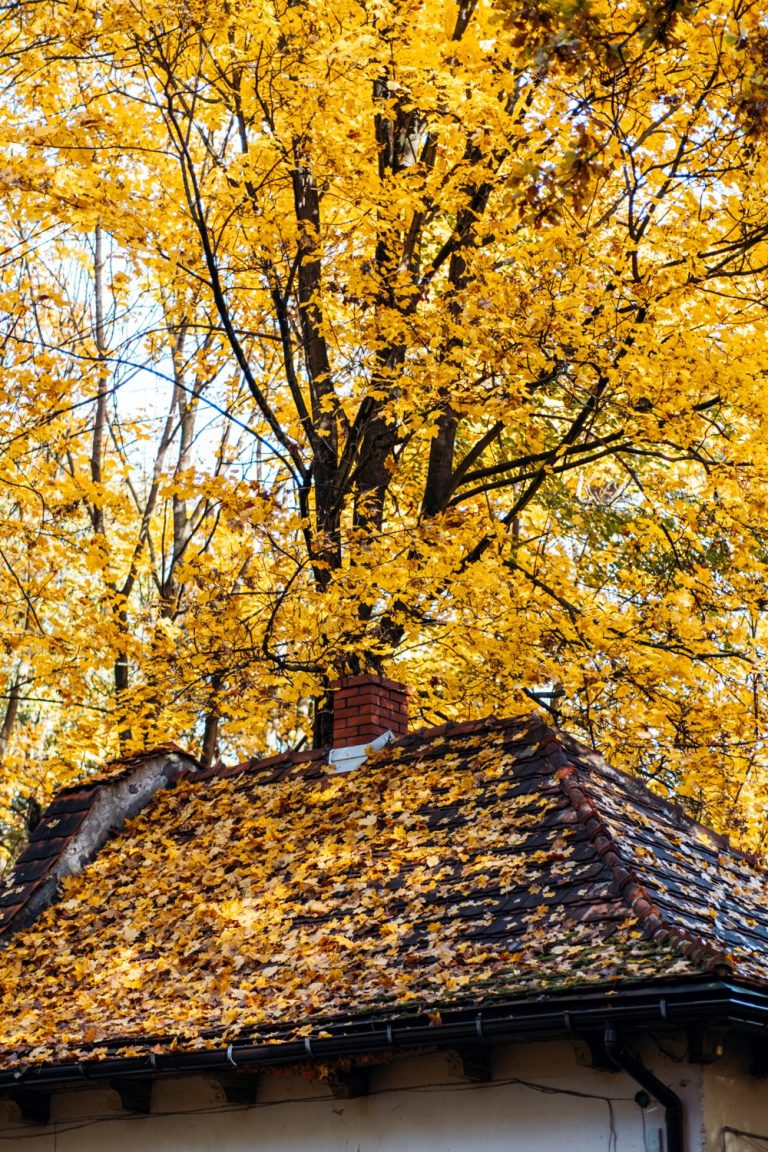 Branches are usually the first sign of crowding. A limb resting on the roofline scrapes shingles and holds damp leaves against the house.
Contact also tends to get worse every season as the branch thickens and grows. An overgrown limb over the roof can become a real hazard during a storm.
Trimming can buy clearance when the trunk itself sits far enough away. When the trunk is close, repeated hard cuts can leave stubs, and stubs produce weak regrowth that fails later.
Roots Under the Slab
Roots spread wider than most owners picture. Iowa State University Extension notes that most roots sit in the top 12 to 18 inches of soil and often reach well past the dripline.
That shallow, wide spread is why roots so often meet slabs, walks and driveways near a house. Our guide on how tree roots damage sidewalks, driveways and foundations covers those warning signs in detail.
For an existing house, the question is usually whether the roots can be managed. For a new house, the question comes earlier and has more options.
The Root Zone in a Building Footprint
On a building lot, the footprint itself is the problem. Excavation and equipment access can cut through roots on two sides of the same tree.
UF/IFAS put it plainly in a 2020 Florida-Friendly Landscaping segment: root damage is the biggest danger from construction. Compaction, grade changes and digging in the root zone all count.
Paving over roots can also harm a tree slowly, and the decline may not show for years. A tree whose root zone falls under the new slab is rarely a good keeper.
Step 1: Map Every Tree Against the Planned House Footprint in New Orleans
Walk the whole lot with the site plan in hand, marking every tree near the planned house, driveway, utility lines and equipment route. For each tree, note where the trunk stands and how far the canopy spreads toward each of those paths.
This survey belongs at the very start of the schedule. A tree problem found late in the schedule can hold up the foundation work.
You can request a walk-through through our free estimate form before your builder finalizes the site plan. Bring the plan, and we will mark each tree on it with you.
Step 2: Measure Each Tree’s Mature Size and Spacing Need
Next, judge how big each tree will get at maturity, because a young tree can look harmless beside a new wall. LSU AgCenter’s 2019 spacing guide gives a quick first filter, and a tape from the trunk to the planned wall shows where each tree falls:
- Under 25 feet at maturity: roughly 10 feet of spacing.
- From 25 to 50 feet at maturity: roughly 15 feet.
- Over 50 feet at maturity: roughly 20 feet.
Smaller trees such as crape myrtles can often stay fairly close to a house. A broad live oak usually needs far more room than the minimum suggests.
Other species common on New Orleans lots, such as water oaks, magnolias and bald cypress, deserve the same check. Any tree sitting inside the spacing line needs a closer look before building starts.
Step 3: Check Which Trees Need City Approval Before Removal
Trees in the public right-of-way, the strip between the sidewalk and the street, are city-controlled and almost always need approval before removal. Many trees fully inside a private lot do not, though larger trees on a development site can still come up during project approvals.
Our construction permitting service confirms the current requirements with the city for your specific lot. Rules can change, so confirm them for each lot before any cutting.
For more detail, see how tree removal permits work for new construction projects. A smaller project follows the steps in when a home renovation project needs a tree permit.
Step 4: Remove the Trees That Cannot Stay Before Equipment Arrives
Trees inside the footprint, or too close to save, should come out before any excavation begins. Removing them first keeps falling wood away from new work and clears the site, so equipment never works around a tree that cannot stay.
Our tree removal service handles the cutting, the cleanup and the haul-away.
Stumps left in the footprint need attention too. With stump grinding, we can grind deeper where a slab or addition will sit.
Felling a large tree beside a house or lot line is never a job for a homeowner. The work needs trained crews and the right equipment.
Step 5: Fence the Root Zone of Every Tree You Keep
The trees meant to stay are often the ones lost during a build, because nobody on site has been told to protect them. Iowa State University Extension recommends a sturdy fence at least at the outer dripline, with zero activity inside it.
That means no parking, no stored material and no grade changes. UF/IFAS (2020) adds that utility trenches should go around or under the roots. Call 811 or Louisiana One Call before anyone digs on the lot.
Agree on one access route for trucks and keep it away from the trees you are saving. Stored soil or block over the roots does quiet damage that shows up later.
Step 6: Trim for Clearance and Watch the Kept Trees After the Build
Once the house is framed, check the branches of every tree you kept, and plan to watch those trees for years. Limbs that will touch the new roof or siding should come back before they grow into it, since contact gets worse each season.
Our tree trimming service sets clearance for where the branch will be after another season of growth. Limbs over a roof come down on ropes so nothing lands on the shingles.
Over the next few years, thinning leaves or dying branches can mean root damage, covered in whether a tree can recover from root damage.
Iowa State advises removal if a damaged tree becomes structurally unsound. An assessment tells you whether that point has come.
Plan the Tree Work Before the Slab Is Poured
Spacing problems start when a tree’s mature size or root zone overlaps the house, so measure every tree before anyone digs. Then remove what cannot stay, protect what can, and trim the keepers for clearance once the walls go up.
At TurnKey Tree Cutting, we sort keepers from removals on New Orleans building lots, then handle the removals, trimming and protection with one crew. Call (504) 517-8287 for a free estimate on the trees around your new home site.
Frequently Asked Questions
Can a tree be too close to house foundation?
Yes, a large tree can sit too close to a foundation, mainly because its roots change soil moisture and lift slabs as they thicken. Distance and species matter most. Sometimes managing the roots solves it, and an on-site assessment tells you whether the tree can stay.
At what point should a tree be removed?
A tree should usually be removed when it is structurally unsound and threatens people or property. Warning signs include dead wood in the upper crown, a new lean with heaving soil, and cracks, cavities or fungus at the trunk base. Trees inside a building footprint also come out before construction.
Does removing trees decrease property value?
Removing a healthy, well-placed tree can lower property value, since mature trees generally add to a home’s appeal. Removing a failing tree or one crowding the house often does the opposite. Our guide on how trees affect property value explains the difference.
Do I need a permit to clear land on my property?
It depends on where each tree stands and the size of the project. In New Orleans, trees on the public right-of-way almost always need city approval before any cutting. Many trees inside a private lot do not, but larger development sites can still face review, so confirm before work starts.