
Tree roots damage sidewalks and driveways in New Orleans mainly by lifting slabs from underneath as they thicken, and they affect foundations more often by changing soil moisture than by pushing through concrete. Both processes are slow and both are far cheaper to prevent than to repair. Distance between a tree and a slab, root barriers installed before paving, and regular monitoring of joints and cracks do most of the preventive work.
At TurnKey Tree Cutting, we usually get the hardscape calls years too late, right after somebody trips on a raised sidewalk panel or notices the driveway has developed a ridge. By then the repair and the tree are in direct conflict.
The frustrating part is that root damage to hardscape is one of the most preventable problems on a New Orleans residential property. Roots move slowly and the warning signs show up long before a slab fails.
What follows is how the damage actually develops, what to watch for, and what prevents it. Contact us today to have the trees near your hardscape assessed before a slab starts moving.
How Long Does It Take Roots to Reach a Driveway or Slab?
Longer than most owners expect, which is exactly why the problem sneaks up. A few factors set the timeline.
Distance From the Trunk at Planting
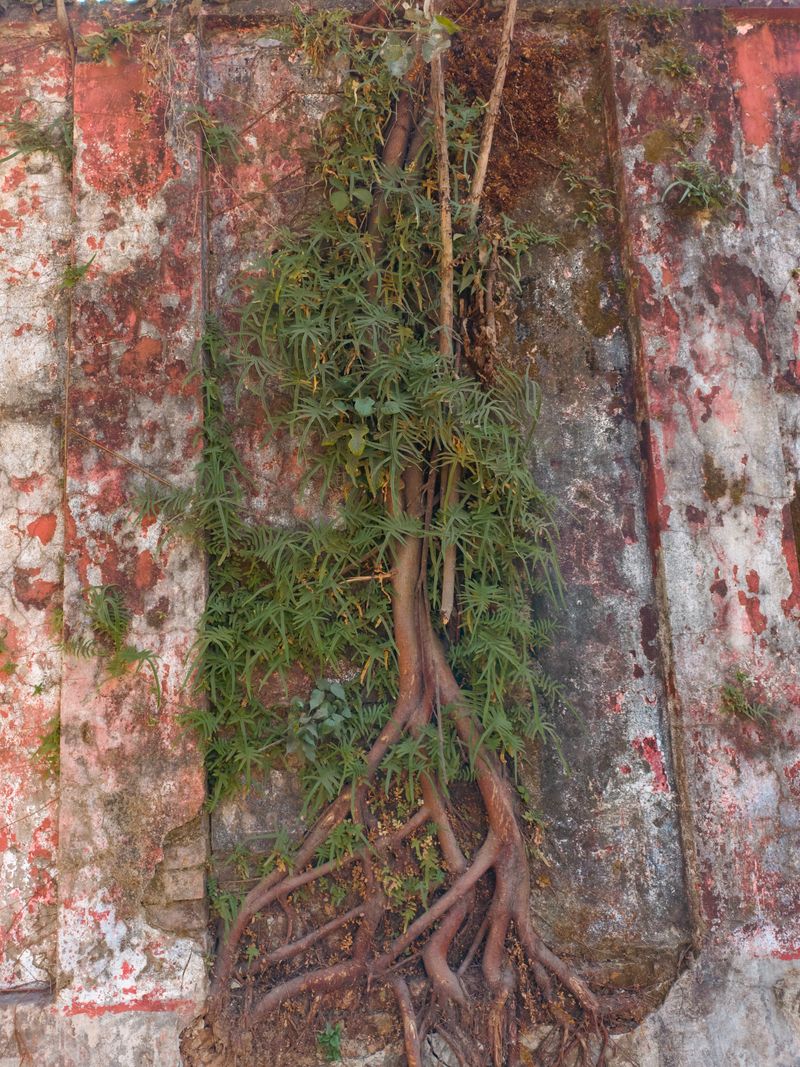
The single biggest variable is how far the tree was planted from the concrete in the first place. A shade tree set close to a driveway is on a collision course from the day it goes in.
Distance bought at planting is the cheapest prevention available. Once a tree is established, that decision is no longer adjustable.
The Species and Its Mature Size
A large shade species develops thick structural roots that lift slabs, while a small ornamental rarely generates enough force to matter. Mature size at planting time predicts hardscape conflict better than almost anything else.
Fast-growing large species compress the timeline further. The same tree that shades a patio in 15 years can be lifting it by year 25.
What the Roots Find Underneath
Roots follow moisture, air, and loose soil, and the edge of a slab frequently offers all three. Where the surrounding ground is compacted, the gap alongside concrete becomes the path of least resistance.
That is why roots so often run directly along a driveway edge rather than away from it. The slab itself creates the conditions that draw them.
How the Concrete Was Built Underneath
Thin concrete over a shallow base lifts sooner than a thick slab poured on a well-compacted bed. What sits under the surface sets how much root force it takes before movement shows.
Older walkways with a thinner section tend to move first for that reason. Two identical trees can produce very different timelines on two different slabs.
Signs Roots Are Lifting Your Sidewalk or Driveway
Hardscape gives plenty of warning before it fails outright. These are the signals worth acting on.
One Panel Sitting Higher Than Its Neighbor
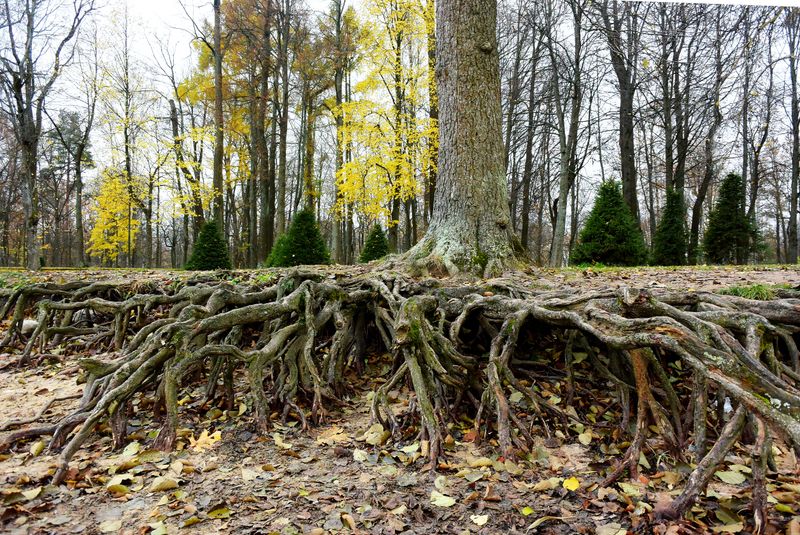
A single slab tilted or raised relative to the one beside it is the classic early signal. The lift usually starts small enough that people step over it without registering the change.
Check the joint line rather than the surface. A panel that has moved will show a step at the joint before the concrete itself shows damage.
Cracks Running Toward the Nearest Tree
A crack that runs on a diagonal pointing back toward a trunk is often root-driven rather than a settlement issue. The direction is the useful clue.
Cracks from ordinary settlement tend to follow a different pattern. Where a crack aims at a tree, a root is a reasonable first suspect.
A Ridge or Hump You Can Feel Underfoot
A gradual rise in a walkway that you notice with your feet before your eyes usually means a thickening root underneath. It develops over seasons rather than suddenly.
This stage is the last comfortable point to intervene. Once the concrete cracks along the ridge, the repair becomes a replacement.
Water Pooling Where It Used to Drain
A section of walkway or driveway that suddenly holds water after rain has usually changed slope, and a thickening root underneath is a common reason. The puddle marks the low side of a panel that has tipped.
Standing water is worth noting even when the lift is too small to see. A puddle that returns after every rain gives you a measurable change to track from one season to the next.
Signs Roots Are Working Against a Foundation
Foundations are affected differently from flatwork, and the mechanism is usually less dramatic than people picture.
Doors and Windows That Have Started Sticking
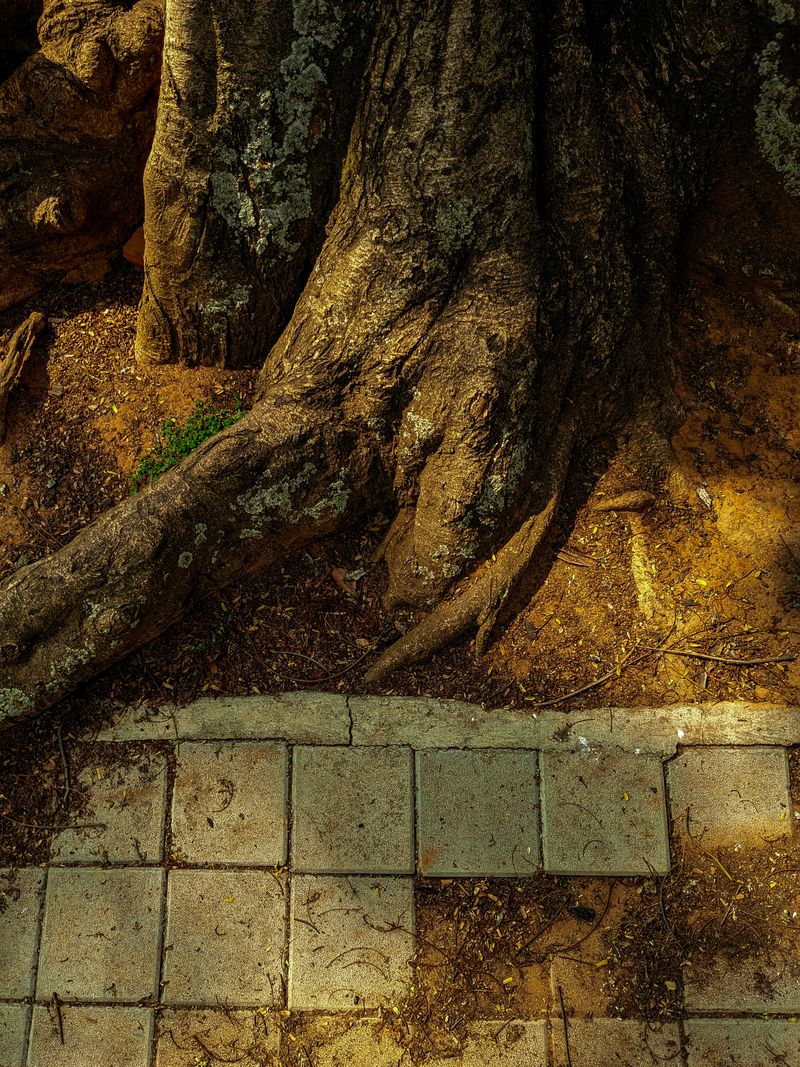
Movement in a slab or pier system frequently shows up first at door and window frames. A door that suddenly needs a shoulder is worth investigating rather than planing.
Seasonal sticking that comes and goes with the weather points toward soil moisture rather than a permanent shift. Persistent sticking that only worsens is the more serious version.
Hairline Cracks Appearing in the Same Season Each Year
Cracks that widen through a dry stretch and close up after heavy rain suggest soil moving with moisture content rather than roots physically pushing. Large trees pull substantial water from the ground during dry spells.
That pattern is common on soils that shrink and swell. It is a reason to watch the moisture rather than assume the roots are prying anything apart.
Damp or Disturbed Ground Along the Foundation Line
Soil that looks heaved, cracked, or unusually dry along one side of a structure can indicate root activity concentrated there. It tends to show up on the side facing a large tree.
Any of these signals warrants an assessment rather than a conclusion. Foundation questions usually need a structural opinion alongside the tree assessment.
Why New Orleans Ground Makes Root Damage Worse
Local conditions change how quickly root damage develops and how it presents. The table below covers the factors that come up most often.
| Factor | Effect on Hardscape | What Helps |
|---|---|---|
| Soft, moisture-holding ground | Slabs settle and shift more readily | Watch joint lines yearly, not just surfaces |
| Wet and dry cycles through the year | Soil volume changes, cracks open and close | Track whether cracks are seasonal or permanent |
| Large mature shade trees close to slabs | Thick structural roots lift concrete over time | Root barriers before new paving goes in |
| Narrow lots with little planting room | Trees end up closer to hardscape than ideal | Match species mature size to available space |
Prevention beats repair on every one of these lines. Installing a root barrier while a driveway is being poured costs a fraction of cutting and replacing panels later, and it does not put the tree at risk.
Where a tree and a slab are already in conflict, the options narrow considerably. Cutting major structural roots to save concrete can destabilize a tree, so a professional tree assessment should come before anyone starts trenching near a driveway or walkway.
Protect Your Hardscape Before Roots Force the Repair
The properties that avoid this are the ones where somebody looks at the joint lines once a year and acts on the first raised panel. Nothing about the prevention is complicated or expensive.
At TurnKey Tree Cutting, we assess the trees near your hardscape, identify which ones are on a path toward conflict, and handle stump grinding where old roots are still working against a slab. Call us today to get ahead of a repair you do not need yet.