
A tree can often recover from root damage in New Orleans when the loss is limited, the cuts were made well away from the trunk, and the soil gets proper care afterward. Recovery is slow, and decline from trenching, digging, or compaction can take years to show. Roots cut close to the trunk can leave a tree unstable in high winds, and that usually makes removal the safer call.
At TurnKey Tree Cutting, we often get called to a yard a season or two after a new driveway, sewer line, or addition went in. The tree that seemed fine during construction has started thinning at the top, and the owner wants to know whether it can come back.
Root damage is harder to judge than a broken limb, because most of it happens underground and shows up late. What we can read is where the roots were cut, how the soil was treated, and how the canopy is responding.
This guide covers how building work damages roots, what recovery looks like, and when a tree is no longer safe to keep. Contact us today to have a tree near recent digging assessed.
How Does Construction Damage a Tree’s Roots?
Construction damages roots by cutting them during trenching and digging, crushing the soil above them with heavy equipment, and burying them under fill or a changed grade. The International Society of Arboriculture (ISA) lists all of these, along with trunk injuries, among the common ways building projects harm nearby trees.
The reach is wider than most people expect. ISA notes that a root system can spread 1 to 3 times farther than the tree is tall. It adds that most of the fine roots that absorb water sit in the upper 6 to 12 inches of soil, so even a shallow utility trench can cut working roots.
Compaction does its damage more quietly. Heavy equipment squeezes out the pore space that carries air and water to roots. UF/IFAS notes that compacted soil is especially hard on trees where the ground is poorly drained, a familiar problem on New Orleans lots after heavy rain.
What Affects Whether a Tree Can Recover From Root Damage?
No single factor decides whether a root-damaged tree recovers. We weigh these four together, because a tree that does well on one can still fail on another.
How Close the Cuts Were to the Trunk
Distance from the trunk matters most. ISA warns that cutting roots close to the trunk can severely damage a tree and limit its ability to stay upright in storms, while cutting under the crown can reduce its vitality.
UF/IFAS research on hurricane damage makes the same point from the other direction. Trees whose roots were cut under the canopy were more likely to blow over, and UF/IFAS guidance is never to cut roots closer than 5 times the trunk diameter. For projects still in planning, our construction permitting work includes the arborist reports the city may ask for.
How Much of the Root System Was Lost
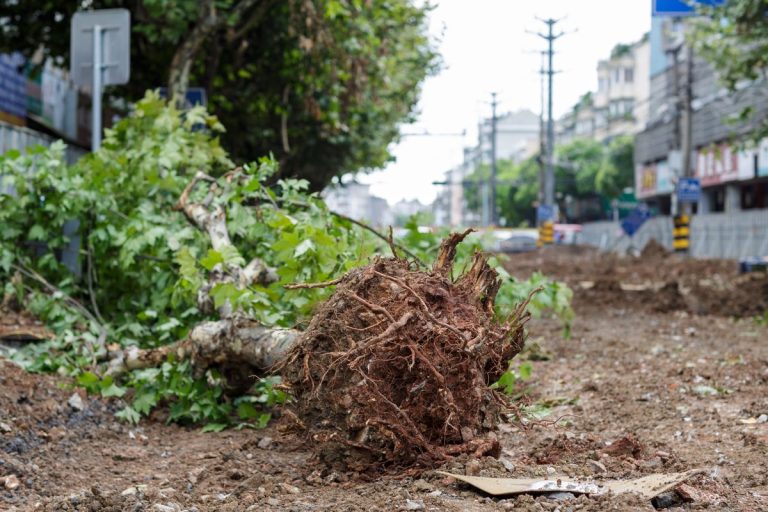 A single trench along one side is a very different injury from digging on several sides. The more of the root zone that was cut, buried, or compacted, the fewer roots the tree has left to feed and anchor itself.
ISA notes that trees need several years to adjust to construction injury. That long timeline is why the extent of the loss matters more than how the tree looks in the first few months.
The Tree’s Health Before the Work
A vigorous tree has stored reserves to rebuild with, while a tree that was already struggling has little margin. ISA notes that stressed trees are more prone to attack by certain diseases and insect pests, which can pile a second problem on top of the root loss.
Old pruning wounds, decay at the base, or a thinning crown before the project started all lower the odds of a smooth recovery.
The Species and Age of the Tree
ISA lists species, size, age, location, and condition as the factors in deciding which trees can be kept through construction. Some species tolerate root loss and grade changes better than others.
A large mature tree also has a bigger root system to lose and more canopy to support. Our arborists factor that in, alongside the species, before saying whether a tree is worth nursing.
What Are the Signs a Root-Damaged Tree Is Declining?
Root damage tends to show up in the canopy first, often long after the digging is finished. ISA notes that decline can take years to be easily seen, which is why trees near recent construction are worth watching.
Watch for these signs:
- Smaller and fewer leaves: the canopy looks thinner each season
- Dieback in the crown: bare twigs and branches at the top while lower limbs still leaf out
- Early fall color: leaves turning or dropping well ahead of nearby trees
- New pest or disease problems: stressed trees are more prone to pests and disease
- A fresh lean or heaving soil: the roots on one side may have stopped holding
The last sign is a safety issue rather than a health issue. ISA advises removing a tree when there is doubt about its structural integrity and the risk cannot be reduced, and our tree removal crew handles those cases.
How Do You Help a Tree Recover From Root Damage in New Orleans?
Recovery care is about giving the remaining roots the best possible soil to grow in. ISA describes treatment for construction damage as limited, so the aim is support, not repair.
Water Deeply, Not Often
ISA calls adequate watering one of the most important steps after construction damage. A long, slow soak over the whole root zone works better than frequent shallow watering, especially through dry summer stretches.
Overwatering is the risk on wet New Orleans soil. ISA advises cutting back irrigation where the soil drains poorly, since saturated ground starves roots of oxygen.
Mulch the Root Zone
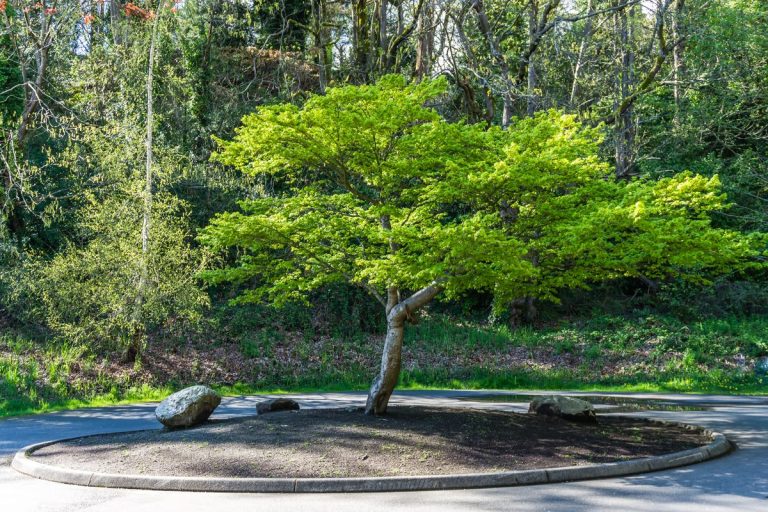 A 2 to 4 inch layer of organic mulch, such as wood chips or shredded bark, helps damaged roots regrow, according to ISA. It keeps soil moisture and temperature steadier and cuts competition from grass.
ISA recommends spreading the mulch as far out from the trunk as the yard allows. A wider ring covers more of the roots that are trying to recover.
Loosen Compacted Soil
Compacted soil keeps oxygen and water from reaching roots. ISA describes air excavation, which uses high-pressure air to break up soil with minimal harm to roots, as one effective way to improve the root zone.
Air excavation can be done alone or followed by organic matter and mulch. The work is most useful where equipment parked or drove over the root zone.
Hold Off on Heavy Feeding
Fertilizer feels like the obvious fix, but ISA advises limiting it right after construction damage, because excess nitrogen pushes top growth at the expense of roots. The amount of nitrogen should rest on a soil or leaf analysis, with later feeding matched to the tree’s needs once it recovers.
Our tree fertilization service works the same way, with a soil assessment first and a product chosen for what the soil actually lacks.
Where to Start With a Root-Damaged Tree
A root-damaged tree can often be carried through with water, mulch, and patience, but only when the cuts left it stable. The first job is finding out which situation you have, before the decline makes the decision for you.
At TurnKey Tree Cutting, our certified arborists look at where the roots were lost and how the canopy is responding, then tell you plainly whether the tree is worth nursing. Call us today to book an assessment of a tree near recent construction.
Frequently Asked Questions
Is it okay to leave tree roots in the ground?
Generally, yes. After a tree is removed and the stump is ground down, the roots left behind are cut off from the trunk and slowly decay underground. Large roots can take several years to break down and may leave soft spots as they do, which is worth knowing before you pave, build, or replant there.
How long does it take a tree to recover from root damage?
Usually several years. ISA notes that trees need several years to adjust to construction injury, and that decline can take years to be easily seen. A tree that looks healthy the first summer after digging is not out of the woods yet, so keep watching the canopy for a few seasons.
Can a tree survive having roots cut on one side?
Often, yes, if the cut was made well away from the trunk and the rest of the root system is healthy. Cuts close to the trunk are the dangerous ones, because ISA notes they can limit a tree’s ability to stay upright in storms. An assessment of the cut location tells you which case you have.
What are the signs of root damage in a tree?
Root damage usually shows in the canopy: smaller and fewer leaves, bare branches at the top, and leaves changing color early. Pest and disease problems often follow because the tree is stressed. A new lean or soil heaving at the base is the most serious sign, since it points to lost anchorage.
Does fertilizer help a tree with root damage?
Not right away. ISA advises limiting fertilization immediately after construction damage, because excess nitrogen can push top growth at the expense of the roots that need to recover. Once the tree has recovered, feeding should be based on what a soil or leaf analysis shows the tree actually needs.
How do you fix compacted soil around a tree?
Compacted soil can be loosened with air excavation, which breaks up the ground with high-pressure air while sparing the roots. ISA notes it can be combined with soil additives and a layer of mulch. Keeping vehicles and equipment off the root zone afterward stops the problem from coming back.
Can tree roots grow back after being cut?
Trees can grow new roots when the soil gives them water and oxygen, which is why recovery care focuses on watering, mulch, and loosening compacted ground. Regrowth is slow, though. Stability in the meantime depends on the roots that remain, especially those closest to the trunk.
Should a tree be removed after root damage?
Not automatically. Many trees recover when the root loss was limited and away from the trunk. Removal makes sense when roots near the trunk were cut, the tree has started to lean, or there is real doubt about whether it can stay standing, since a weakened tree is most likely to fail in high winds.