
Homeowners insurance often covers tree removal in New Orleans when a covered event, such as wind or lightning, brings a tree down onto an insured structure. If the tree falls and hits nothing, or comes down because it was already dead and neglected, removal is commonly the owner’s expense. Policies also tend to cap debris removal at a modest amount. Coverage varies by policy, so confirming the terms with your own insurer is the reliable step.
At TurnKey Tree Cutting, the homeowners insurance question comes up in almost every storm call we take, usually while the homeowner is standing in the yard looking at a tree that is no longer vertical. It is a fair question, and the answer is more conditional than most people expect.
Coverage in New Orleans rarely turns on the tree itself. It turns on why the tree came down and what it landed on.
Those two facts do most of the work in deciding who pays. Contact us today to have us assess the tree and document the damage while the evidence is still on the ground.
What Does Homeowners Insurance Usually Cover After a Tree Falls?
Most standard policies approach a fallen tree through the lens of the damage it caused, not the tree as an object. That framing explains most of the outcomes homeowners find surprising.
The Cause of the Fall Matters First
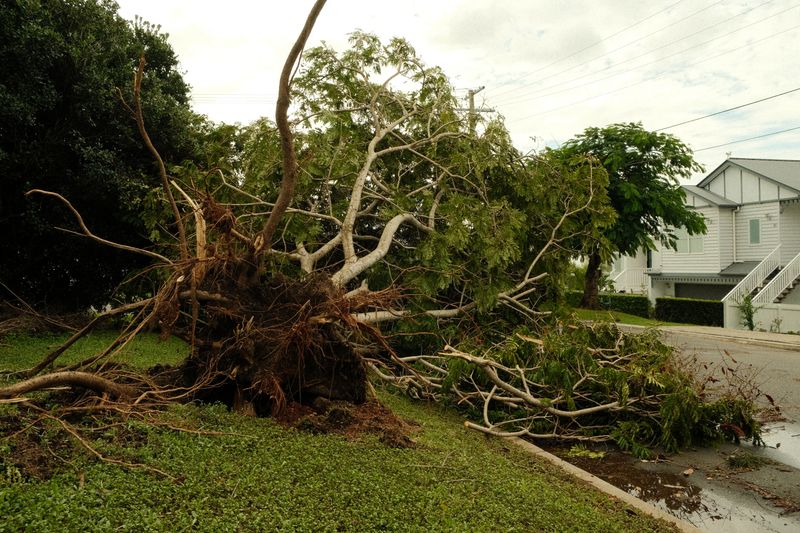
Policies respond to covered perils, and wind and lightning are commonly among them. A healthy tree brought down by a storm generally sits in different territory than one that simply gave out.
If the cause falls outside what the policy covers, the rest of the analysis usually stops there. This is the first question an adjuster works through.
What the Tree Landed On Matters Next
Damage to an insured structure is typically what opens the door to coverage for the cleanup. A tree across the roof, the garage, or a fence reads very differently from a tree lying flat in the yard.
The structure is typically the trigger. Without damage to something the policy insures, the removal often becomes an out-of-pocket expense.
Debris Removal Usually Carries Its Own Limit
Even when a claim is covered, the tree-hauling portion is frequently capped separately from the structural repair. Debris removal allowances on standard policies commonly fall somewhere in the range of roughly $500 to $1,000, and some policies set a per-tree figure beneath a higher per-loss cap.
Large hardwoods can exceed that allowance. Knowing the limit ahead of time helps you plan for the gap rather than discover it after the crane leaves.
Situations Where Tree Removal Coverage Commonly Applies
Certain scenarios come up repeatedly after storm season, and they tend to follow similar patterns.
A Storm Drops a Healthy Tree on Your House
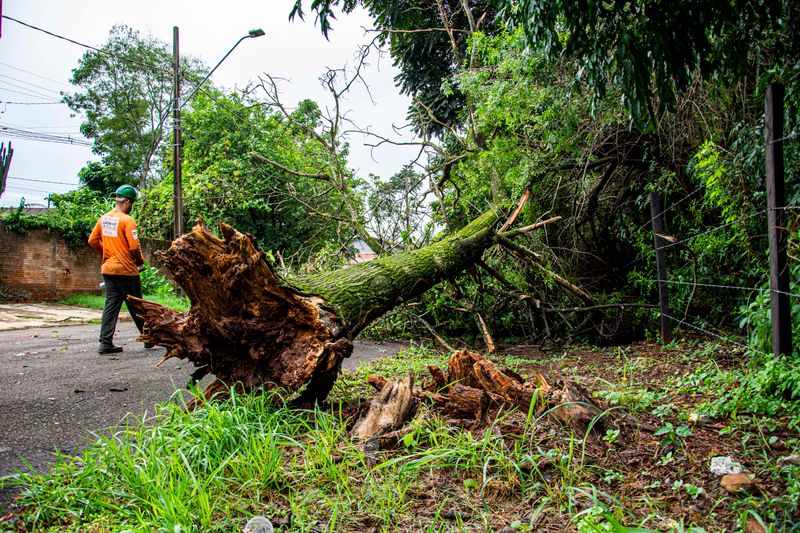
This is the clearest case. A sound tree brought down by high wind onto the roof or an attached structure is the situation policies were designed around.
Repair to the structure and removal of the tree from it usually move together in one claim. The debris cap typically still applies to the hauling portion.
A Tree Falls on a Detached Garage, Fence, or Shed
Detached structures are commonly insured, though often under a separate portion of the policy with its own limit. A tree across a fence or a backyard shed frequently qualifies.
The limit for these structures is typically smaller than the one covering the house. Reviewing that figure before storm season is worth the few minutes it takes.
A Neighbor’s Tree Lands on Your Property
When a neighbor’s tree comes down on your side, your own policy is usually the first place the claim goes. Insurers may sort out responsibility between themselves afterward if negligence is involved.
That surprises people, but it is the normal sequence. Your debris cap and structure limits generally apply the same way they would for a tree of your own.
Situations Where Homeowners Usually Pay Out of Pocket
Just as predictable are the situations where the cost lands on the property owner. These are the calls where expectations and outcomes most often diverge.
The Tree Falls and Hits Nothing
A tree lying across the lawn is inconvenient, but it has not damaged an insured structure. In most standard policies, that means removal is the owner’s expense.
Homeowners are frequently caught off guard by this one. The size of the tree does not change the answer.
The Tree Was Already Dead or Declining
Insurers distinguish between sudden damage and gradual deterioration. A tree that has been visibly dead or rotting for a long stretch can be treated as a maintenance issue rather than a covered loss.
That is one of the stronger arguments for handling a failing tree before a storm does it for you. Our tree removal crews take down declining trees on schedule instead of on the worst night of the year.
You Want a Healthy Tree Removed
Preventive removal of a sound tree, even one leaning uncomfortably close to the house, is generally not a covered expense. Policies generally respond to damage that has occurred, not to risk a homeowner wants to eliminate.
Stump work usually falls in the same category. Stump grinding after a removal is typically handled as its own job rather than as part of a claim.
Why New Orleans Storms Complicate Tree Claims
Local conditions shape how these claims play out here more than they would inland. The factors below come up repeatedly on Gulf Coast properties.
| Factor | Effect on a Tree Claim | What Helps |
|---|---|---|
| Hurricane and high-wind season | Many claims filed at once, slower adjuster response | Photograph everything before cleanup begins |
| Saturated ground after heavy rain | Root plates lift, healthy trees fall without warning | Note the weather conditions on the date of the loss |
| A tree that was already declining | Insurer may treat the loss as deferred maintenance | Address failing trees before storm season arrives |
| Large mature hardwoods near the house | Removal cost can exceed the debris allowance | Confirm your debris limit before you need it |
The single most useful habit is documentation. Photos of the tree, the damage, and the surrounding conditions taken before anything moves give an adjuster something concrete to work from. Our guide to storm damage and emergency tree removal covers what to do in the hours right after a tree comes down.
Protect Your New Orleans Property Before the Next Storm
The trees most likely to become an uncovered expense are the ones already showing they are in trouble. Dealing with them on your schedule is almost always cheaper than dealing with them on the storm’s schedule.
At TurnKey Tree Cutting, we assess the trees on your property, tell you honestly which ones are a genuine risk, and document what we find. Call us today to have your trees inspected before the next system moves through.
Frequently Asked Questions
Does homeowners insurance cover tree removal after a storm?
Homeowners insurance commonly covers tree removal after a storm when a covered peril such as wind or lightning brings the tree down onto an insured structure. If the tree falls without hitting anything the policy insures, removal is usually the owner’s expense. Terms differ between policies, so confirming your specific coverage with your insurer is the reliable step.
Does my insurance cover a neighbor’s tree falling on my house?
Coverage generally runs through your own homeowners policy rather than the neighbor’s. The same factors apply as with any fallen tree: what caused the fall, what the tree landed on, and the separate debris removal cap. Who is ultimately responsible is a different question from what your policy pays, so confirm your own coverage with your insurer.
Is there a limit on tree removal coverage?
Usually, yes, tree debris removal is typically capped separately from structural repair on a homeowners policy. Standard policies commonly limit it to roughly $500 to $1,000, with some setting a per-tree figure beneath a higher per-loss cap. Removing a large mature hardwood can exceed that allowance, so confirm your own limit with your insurer before storm season.
Will insurance cover removing a dead tree before it falls?
Preventive removal of a tree that has not yet caused damage is generally not covered, even when the tree is clearly failing. Policies generally respond to losses that have occurred rather than to risk a homeowner wants to eliminate. Taking down a declining tree is usually an out-of-pocket maintenance expense.
What if the tree fell but did not damage anything?
A tree lying across the yard without touching an insured structure typically falls outside coverage, and the cleanup becomes the owner’s cost. The size of the tree does not change that outcome. This is one of the most common gaps between what homeowners expect and how standard policies actually respond.
Does it matter if the tree was already dead?
Whether the tree was already dead often matters. Insurers distinguish sudden accidental damage from gradual deterioration, and a tree that was visibly dead or rotting for a long period may be treated as a maintenance issue rather than a covered loss. Addressing declining trees early helps avoid that argument entirely.
What should I do immediately after a tree falls on my property?
Stay clear of the tree and any downed lines, then photograph the scene thoroughly before anything is moved. Contact your insurer to report the loss and ask what documentation they need. Having a crew assess the tree and record its condition supports the claim without disturbing the evidence.
Does insurance pay for stump grinding after a covered tree removal?
Stump work is frequently treated as a separate expense rather than part of the covered removal, though this varies between policies. Because the stump is not itself damaging an insured structure, many carriers exclude it. Confirming with your adjuster before scheduling the work avoids an unexpected bill.